You know that feeling when you open a package, pull out a jar you’ve been excited about, and notice something feels off before you’ve even cracked the lid? Maybe the label is stained, the lid seems loose, or there’s no foil seal under the cap the way you’d expect from a product that costs real money. That moment of doubt — is this safe? was this tampered with? do I return it? — is exactly what a vocal segment of Walkerswood mixed-pack buyers have been experiencing, and it’s worth taking seriously. Walkerswood Traditional Jamaican Jerk Seasoning (a thick, deeply-spiced paste made in Jamaica from scotch bonnet peppers, pimento, and a proprietary blend of aromatics) is one of the most consistently praised Caribbean condiments on the market. The product itself earns near-universal love. The problem is the packaging experience — particularly in bundled or mixed-pack configurations — and that gap between “great product” and “worrying arrival” is what this guide is here to resolve.
If you’ve already got a Walkerswood order in hand and you’re trying to decide right now whether to use it, return it, or escalate, this article will walk you through exactly what the pattern of complaints looks like, what actually matters from a food-safety standpoint, and what your smartest next move is.
| EDITOR'S PICKWalkerswood Jamaican Jerk Seaso… | Mid-tierWalkerswood Jamaican Jerk Seaso… | Budget pickWalkerswood Traditional Jamaica… | |
|---|---|---|---|
| Packs included | 3 | 2 | 1 |
| Size per jar | — | 10 oz | 10 oz |
| Varieties | Hot, Mild, Marinade | Mild, Hot & Spicy | Hot & Spicy |
| Marinade | ✓ | ✗ | ✗ |
| Heat level | Hot & mild | Mild & hot | Hot |
| Format | Mixed pack | Mixed pack | Single jar |
| Price | $35.00 | $18.06 | $4.97 |
| See on Amazon → | See on Amazon → | See on Amazon → |
What the Complaints Actually Say — and What They Don’t
The most important thing to understand about the Walkerswood mixed-pack packaging complaints is what reviewers conclude after raising them. Across aggregated reviews of mixed-pack ASINs, the pattern is remarkably consistent: buyers describe jars arriving without a visible tamper-evident foil seal under the lid, and some describe active leakage — paste or oil seeping around the rim, staining the packaging, or arriving with the lid noticeably loose. What’s striking is that the same reviewers who flag these issues almost universally report that the seasoning itself smells correct, looks correct, and tastes correct. The product-confidence rating stays high even when the packaging-confidence rating craters.
This distinction matters enormously. A missing foil seal on a product like Walkerswood Traditional Jerk Seasoning is a legitimate quality-presentation concern, but it is not the same as evidence of adulteration or contamination. Reviewers themselves make this call: the consensus is that the jar appears to be manufacturer-sealed (using a twist-to-close mechanism with a tight-fitting lid), just not finished with the secondary foil liner that many consumers associate with tamper evidence. As Serious Eats notes in their coverage of jerk seasoning pastes, Walkerswood’s production and export standards are well-regarded — the concern here is almost certainly a retail-vs.-shipping packaging mismatch, not a factory-level integrity failure.
Leaking jars are a separate but related issue. The leading theory among reviewers — and it tracks with how glass jars behave under pressure changes during shipping — is that the mixed-pack format is assembled for retail shelf presentation, not for the vibration and compression stress of parcel shipping. Individual Walkerswood jars sold as standalone units tend to generate far fewer leakage complaints than the same product sold in a bundle. The structural weak point is the lid-to-rim seal, not the product inside.
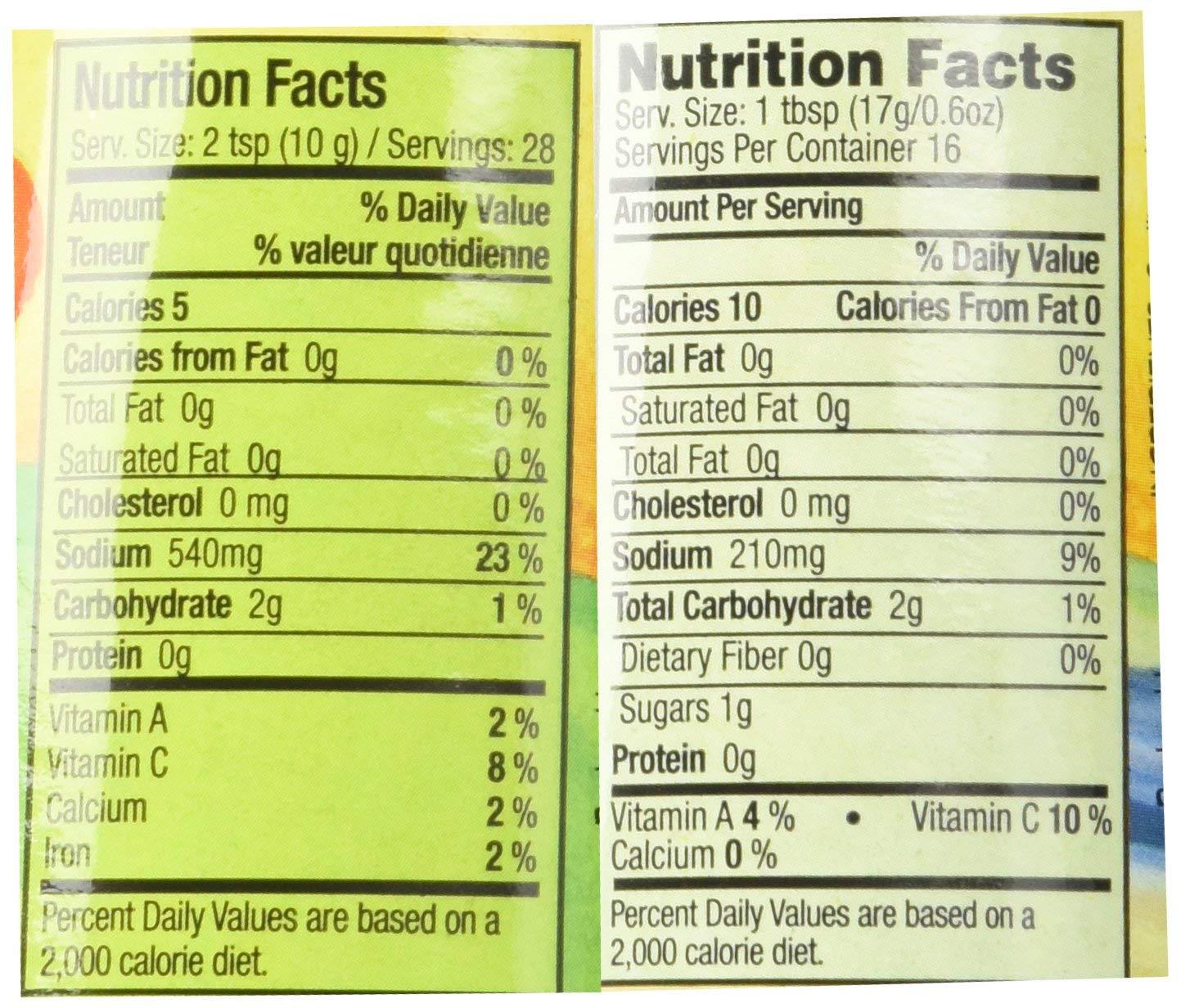
The Walkerswood Hot and Savory Sauce Kit carries a more serious, separate complaint worth naming directly: multiple buyers have reported receiving bottles that arrived with expiration dates already passed. That is a fulfillment issue — a warehouse rotation failure — not a product formulation issue, but it’s meaningfully different from a missing foil seal. An expired product on arrival is a returnable order, full stop.
The Math on Mixed Packs vs. Individual Jars
Before the decision framework, it’s worth running the numbers on what you’re actually buying.
By the numbers — Walkerswood packaging formats:
- Catering jar (17 oz / 482g): best per-ounce value; designed for high-volume use
- Standard retail jar (10 oz / 284g): the baseline for household comparison
- Mixed pack (2–4 jars): convenience premium; where most packaging complaints originate
- Hot and Savory Sauce Kit: condiment bundle; distinct from paste-only packs; expired-arrival complaints cluster here
The mixed pack charges a convenience premium — typically a few dollars above the equivalent per-jar price — in exchange for variety or quantity bundled together. If the packaging experience degrades enough to require a return, that convenience premium is wiped out immediately by the friction cost of repackaging, photographing the issue, initiating a return, and waiting for a replacement. For buyers who go through Walkerswood at high volume (restaurant buyers in catering-jar reviews describe using a 17-oz jar in roughly two weeks at full service volume), the math decisively favors the catering jar bought individually, decanted into smaller glass jars, and stored in the refrigerator.
That decant-and-store technique appears repeatedly in catering jar reviews and deserves more visibility than it gets. Buyers who purchase the large-format catering jar, portion it into clean glass jars with tight-fitting lids, and refrigerate immediately report both better preservation and zero packaging-drama. You control the seal. You know the product hasn’t been in transit in a mixed-pack wrapper. And you get the best per-ounce cost in the Walkerswood lineup. If authenticity and economy are both priorities — and for the serious Caribbean pantry buyer they usually are — this is the move.
Separating Packaging Concern from Food Safety Risk
This is the section that matters most if you’re staring at a jar right now trying to decide.
The Spruce Eats food storage guide notes that high-acid, high-salt condiments like jerk seasoning paste have a meaningful degree of self-preservation built into their formulation. Scotch bonnet peppers, vinegar (present in Walkerswood’s Traditional recipe), and salt all contribute antimicrobial properties that commercial mayonnaise or dairy-based sauces simply don’t have. This is not a license to use obviously compromised product, but it does mean that a jar with a loose lid and no foil liner is not automatically a food-safety discard.
The practical checklist reviewers seem to apply — and that holds up against general food-safety principles — looks like this:
- Smell the product. Walkerswood Traditional has a distinctive, pungent, deeply aromatic smell. If it smells fermented beyond its normal character, rancid, or simply wrong, that’s meaningful.
- Check the color. The paste should be dark green-brown and consistent. Unusual surface color changes or visible mold are disqualifying.
- Check the lid torque. A lid that spins freely with no resistance has lost its vacuum seal. A lid that requires normal twist-off effort is likely fine.
- Verify the best-by date. This matters more for the sauce kit format than the paste. If the date is past, return it.
If the jar passes smell, color, and date checks but has no foil seal, the rational call — based on what reviewers consistently conclude — is that the product is usable. If any of those checks fail, return it without second-guessing yourself.
One important caveat: if you are cooking for immunocompromised individuals, young children, or anyone with elevated food-safety needs, the standard of evidence for “probably fine” should be higher, not lower. In that case, a missing seal is sufficient reason to return and reorder a standalone jar.
The Decision Framework: Mixed Pack or Individual Jars?
This is the “if X, then Y” summary the situation calls for.
If you are a first-time Walkerswood buyer who wants to try both Traditional and Hot & Spicy without committing to a large jar: the mixed pack makes sense on paper, but given the documented packaging variance, consider ordering two individual standard jars instead. The per-unit pricing is similar, the packaging integrity is better, and you get the same variety without the combined-shipping stress on the lids.
If you are a household cook going through one jar every 3–6 weeks: the standard retail jar, bought individually and refrigerated after opening, is your cleanest option. Opened Walkerswood jerk seasoning, kept in the refrigerator with the lid tightened after each use, is generally considered shelf-stable for 6–12 months by food storage guidelines — The Spruce Eats’ condiment longevity guide puts high-salt, high-acid pastes in that range. Label your jar with the opening date.
If you are a high-volume cook — hosting frequently, catering, running a supper club: the catering-size jar bought individually, with immediate decanting into smaller glass jars, is the right answer. It eliminates the mixed-pack packaging problem entirely and gives you the best unit economics in the lineup. Jamaica Observer reporting on Walkerswood’s export operations confirms that the catering format is the same product formulation as the retail jar — not a commercial-only variant.
If your Walkerswood Hot and Savory Sauce Kit arrived with expired bottles: this is a return, not a judgment call. Document the expiration dates with a photo before doing anything else. The fulfillment failure is the seller’s problem to resolve, and the documentation protects your claim.
If you received a mixed pack with leaking jars but the product otherwise seems intact: decide based on the smell-color-date checklist above. If everything passes, the product is very likely fine. If you’re uncomfortable, return it — a legitimate complaint about packaging condition supports a return regardless of whether the product itself is usable.
Frequently Asked Questions
Is a Walkerswood jar without a tamper seal safe to use or should it be returned? Based on aggregated reviewer reports, the absence of a foil tamper-evident liner in Walkerswood mixed-pack jars appears to be a packaging format issue rather than a sign of tampering. Apply the smell-color-date check. If the product smells right, looks right, and is within its best-by date, reviewers consistently conclude it is usable. If any of those checks fail, return it.
Why do Walkerswood mixed-pack jars arrive leaking — and is this a known issue? Yes, it is a documented pattern across multiple mixed-pack configurations. The most plausible explanation, consistent with how reviewers describe it, is that the jars are sealed for retail shelf display rather than parcel shipping stress. Individual jars generate far fewer leakage complaints. If leakage is severe enough to compromise the product, that supports a return claim.
How long does an opened jar of Walkerswood jerk seasoning last in the refrigerator? Per The Spruce Eats food storage guidelines for high-acid, high-salt condiment pastes, 6–12 months refrigerated is a reasonable range for an opened jar kept with the lid tightened. Label the jar with your opening date and use smell and appearance as your ongoing check.
Should I buy the Walkerswood mixed pack or two individual jars to avoid packaging problems? If packaging reliability matters to you — and it should, given the documented complaint pattern — two individual jars is the lower-risk choice. The per-unit cost is comparable, and individual jar complaints about leakage and missing seals are significantly less frequent than mixed-pack complaints.
What should I do if my Walkerswood Hot and Savory Sauce Kit arrives with expired bottles? Photograph the expiration dates immediately, then initiate a return or replacement claim. An expired product on arrival is a fulfillment error, and documentation of the dates is your evidence. Do not use expired product — this is categorically different from the missing-foil-seal situation, which reviewers generally resolve in the product’s favor. Expired arrival is a straightforward return.