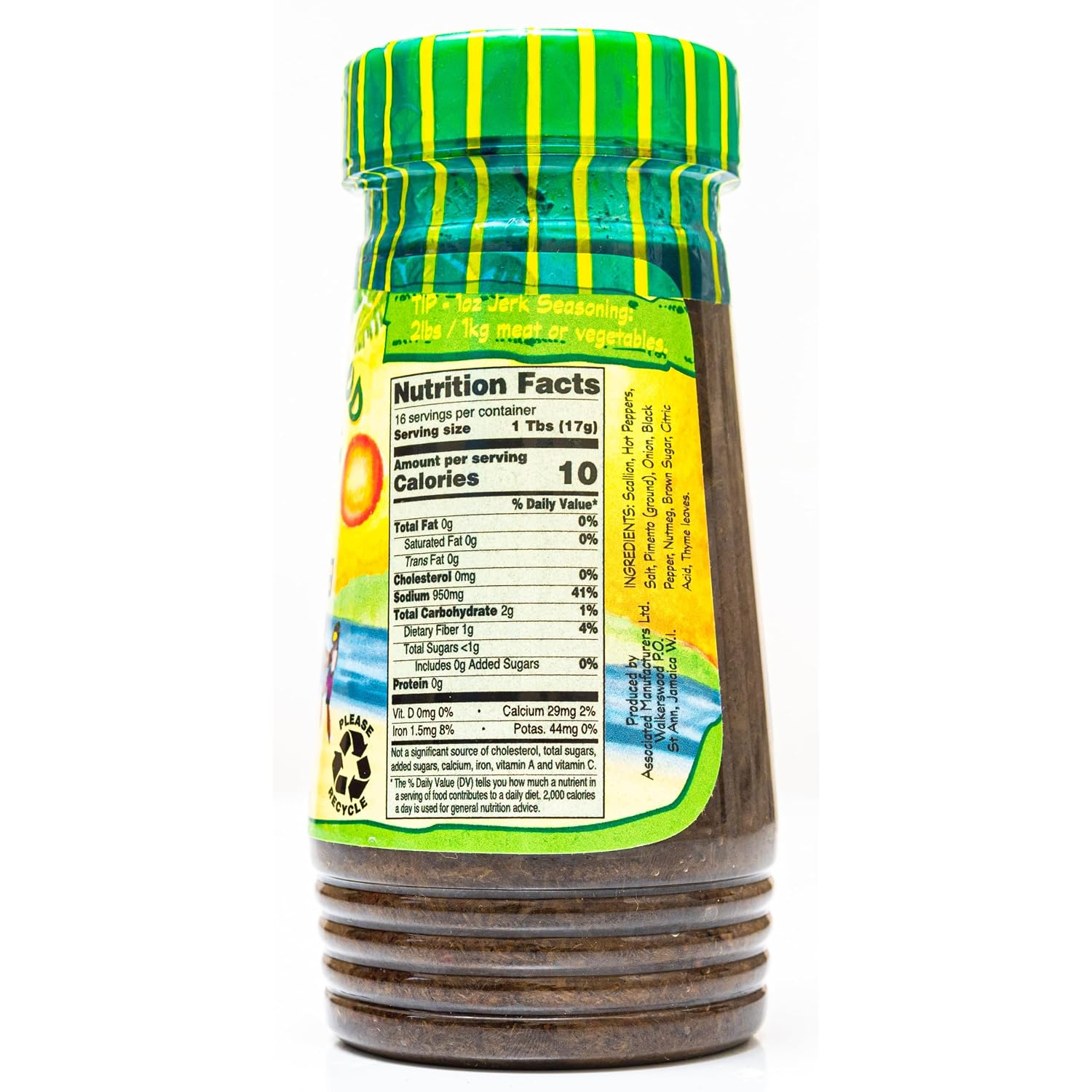
You know that feeling when you grab a jar off the shelf, read the label, and think you know exactly what you’re getting — and then the first bite tells a completely different story? That’s the Walkerswood experience for a lot of first-time buyers. Walkerswood Traditional Jamaican Jerk Seasoning (a thick, wet paste made in the community of Walkerswood, St. Ann, Jamaica, from scotch bonnet peppers, allspice, thyme, and scallions, among other ingredients) comes in two everyday SKUs: Mild and Hot & Spicy. If you’ve been cooking Caribbean food long enough to know that jerk isn’t just a flavor but a technique — a slow, smoky, heavily seasoned method with roots in Maroon cooking traditions — you already understand why this paste is a pantry anchor. But even experienced cooks get burned, sometimes literally, by assuming these two labels work the same way. This guide is the decision framework you need before you commit to a jar — or a case.
The Big Misunderstanding: “Mild” Is a Relative Term
Let’s deal with the elephant in the room first. Walkerswood Mild is not mild by mainstream supermarket standards. Reviewers across multiple platforms consistently flag this — a pattern that surfaces repeatedly in owner feedback, with cooks describing how the paste transformed plain dishes with serious heat even before any additional spicing was added.
What “mild” actually means here is mild relative to the Hot & Spicy SKU, and relative to the deep tradition of Jamaican jerk, which has always leaned toward aggressive heat. According to Taste Atlas’s entry on jerk seasoning (“Jerk Seasoning: Flavor Profile and Regional Variations”), scotch bonnet peppers — the variety that anchors authentic Jamaican jerk — register between 100,000 and 350,000 Scoville Heat Units (SHU), compared to a jalapeño’s 2,500–8,000 SHU. Even the mild version of Walkerswood uses real scotch bonnets, not a denatured substitute. The heat is baked in.
Scoville context for your decision:
- Jalapeño: ~5,000 SHU (common reference point for “medium” heat)
- Walkerswood Mild: moderate-high, anchored by scotch bonnet at lower inclusion rates
- Walkerswood Hot & Spicy: full scotch bonnet forward, noticeably sharper on the palate
- Pure scotch bonnet upper range: 100,000–350,000 SHU
If you are buying for a household where someone is genuinely heat-sensitive — young children, people with acid reflux, anyone who reaches for mild salsa at a Mexican restaurant — calibrate your expectations accordingly. The mild jar is real Jamaican heat dialed back; it is not a flavor-without-fire product.
Comparing the Two Jars: A Tier-by-Tier Breakdown
H3: Walkerswood Mild — The Versatile Everyday Jar
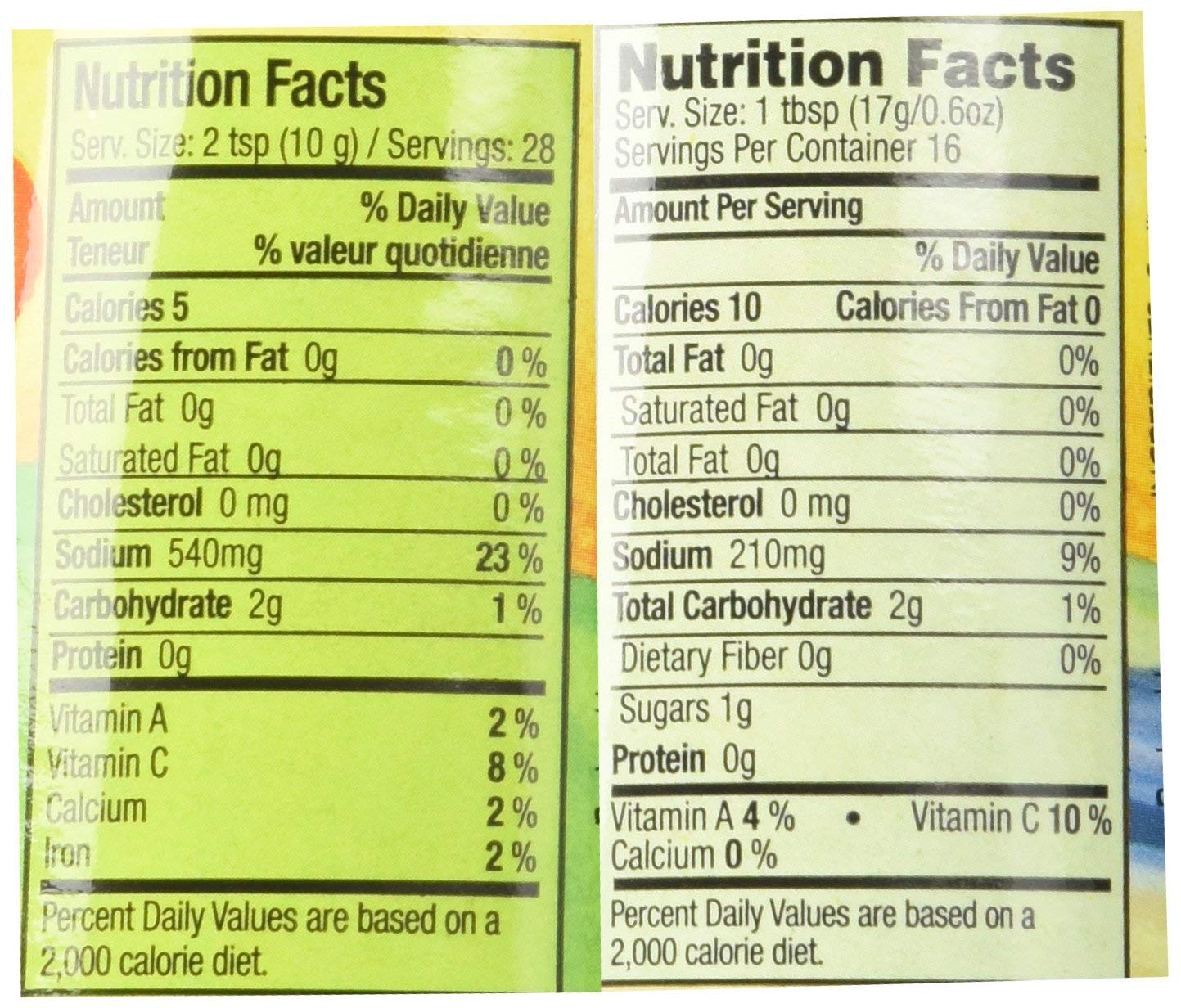
Walkerswood Mild is where most households should start. It carries the full flavor signature of authentic Jamaican jerk — allspice (called “pimento” in Jamaica), scotch bonnet, fresh thyme, scallions — but at a heat level that works across a broader table. Serious Eats, in its pantry feature “The Pantry Staples Every Caribbean Cook Needs,” makes the point that jerk seasoning performs best when it functions as a genuine base rather than a finishing hit, and the mild SKU’s more restrained heat makes it the better candidate for that role.
The practical upshot: you can use it generously enough to build real depth across a marinade, a stew, or a pasta sauce without the heat hijacking every other flavor in the pot. Owner experience consistently reinforces that the mild version has enough scotch bonnet presence to satisfy diaspora palates while staying accessible to household members who don’t cook with fire regularly.
For mixed households, solo cooks building their jerk vocabulary, and food businesses cooking at volume, this is the anchor jar.
Walkerswood
$18.06
In stock on Amazon
Check price on AmazonH3: Walkerswood Hot & Spicy — Full Expression, Managed Carefully
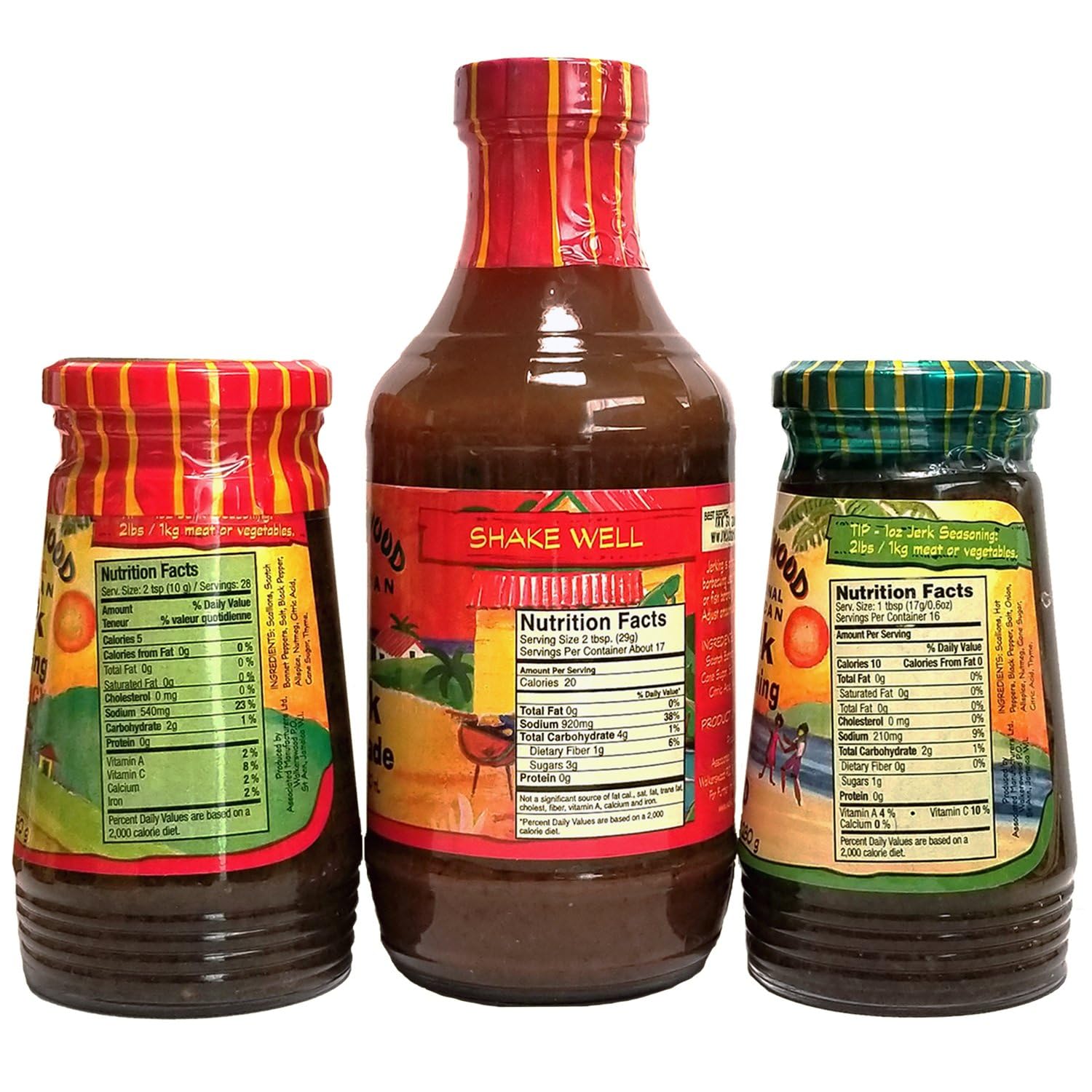
Here is what gets lost in heat-level conversations: the Hot & Spicy SKU has a loyal fanbase not because people enjoy suffering, but because experienced cooks consistently note flavor complexity alongside the heat. Saveur’s feature “What Makes Jamaican Jerk So Distinctive” reinforces this point — the allspice, thyme, and layered aromatics are what separate authentic jerk paste from cayenne-dumped shortcuts, and the Hot & Spicy version amplifies all of that alongside the scotch bonnet intensity. It’s a more complete expression of a full flavor profile, not just a hotter product.
That said, there is a cautionary pattern worth naming explicitly. A recurring theme in owner feedback describes marinating chicken in the Hot & Spicy for a full 24 hours and finding the result too hot to eat — not unpleasant in flavor, just genuinely incapacitating on the heat front. The technique that experienced owners have converged on: thin the paste with olive oil and fresh lime juice, apply it both under and over the skin of the chicken, and use less total paste than you’d intuitively reach for. The result is deeply seasoned, genuinely jerk-flavored meat without the heat becoming the only story on the plate.
Hot & Spicy rewards restraint in quantity and benefits from a dilution vehicle — fat, citrus, or coconut milk in some applications — more than the mild version does.
Walkerswood
$35.00
In stock on Amazon
Check price on AmazonH3: The Mixed Strategy — Both Jars Working Together
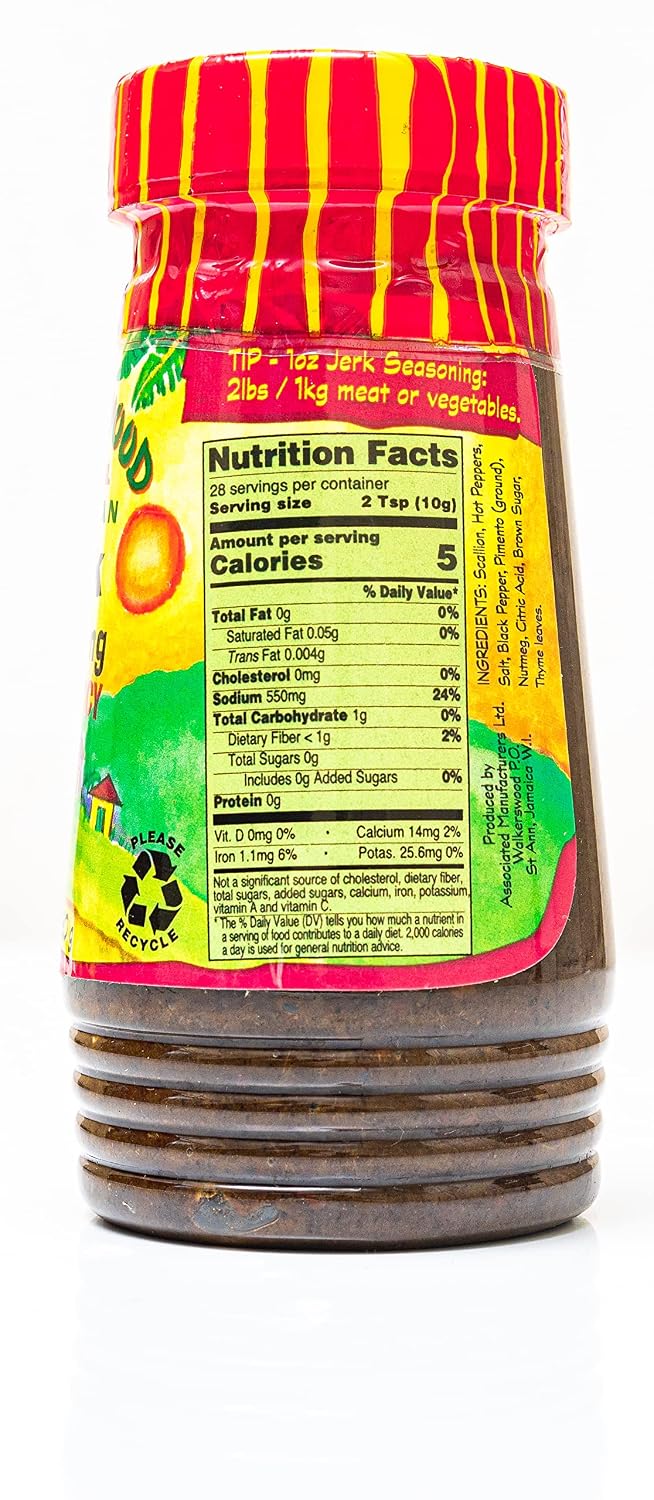
Buying both SKUs is a legitimate and underrated approach. The mixed three-pack (mild, hot, and marinade sauce) exists precisely because different members of a household have different heat ceilings. Multiple owner reviews describe the same pattern: use the mild as the base marinade for the whole batch, then spoon a small amount of Hot & Spicy over the portions for heat-tolerant eaters before finishing. Everyone eats the same meal; nobody is compromised.
This approach also unlocks a custom blending technique. Mixing ratios — starting at 3 parts mild to 1 part hot — let you dial in heat precisely for a given dish. The Jamaica Observer, in its coverage of Walkerswood Caribbean Foods as one of Jamaica’s most successful food-export enterprises (“Walkerswood Caribbean Foods: A Jamaican Export Success Story”), has noted that the brand’s range of product formats reflects the diversity of its customer base, from home cooks to professional kitchens. The mixed-use strategy is essentially what that product range is designed to support.
Walkerswood
$4.97
In stock on Amazon
Check price on AmazonBy the Numbers
| Variable | Mild | Hot & Spicy |
|---|---|---|
| Scotch bonnet intensity | Present, moderate | Forward and pronounced |
| Recommended marinate time (poultry) | 4–24 hours | 2–8 hours (longer = significant heat amplification) |
| Dilution usually needed? | Rarely | Often recommended |
| Family-dinner-safe? | Most households yes | Heat-tolerant households only |
| Restaurant/volume use? | Strong fit | Selective fit; monitor portion |
Practical Decision Framework: Which Jar for Which Cook?
If you’re cooking for a mixed household — some heat-lovers, some not — buy the mild. It has enough genuine scotch bonnet character to satisfy diaspora palates while staying accessible enough that nobody at the table is reaching for water. Food52, in its guide “How to Use Jerk Seasoning Beyond Chicken,” specifically notes that the mild SKU’s versatility makes it a smarter all-purpose base for households with varied tolerances.
If you’re a solo cook or cooking for heat-natives, the Hot & Spicy is the more rewarding jar — but treat it as a concentrated ingredient, not a marinade you can apply generously. Think of it the way you’d think about a very high-concentration fish sauce or a dark habanero sauce: a little goes further than you think, and restraint unlocks the flavor without the heat hijacking everything.
If you run a food business or cook in volume, the calculus tilts strongly toward the mild. Owner accounts from professional cooks — including restaurateurs who switched to the catering-size mild jar as a seamless substitute for house-made jerk seasoning while serving hundreds of meals weekly — consistently describe it as the more reliable, consistent choice at scale. The Jamaica Observer’s coverage of Walkerswood notes that the catering-size jar exists because professional kitchens buy it in volume and need replicable results across a range of heat tolerances.
If you want both, the mixed three-pack is the right entry point. Use the mild for the base, hit with a spoonful of hot for the heat-lovers, and meet everyone at the table.
Beyond Jerk Chicken: Expanding Your Use Case
Serious Eats, in “The Pantry Staples Every Caribbean Cook Needs,” makes the point that good jerk seasoning is under-used when people limit it to poultry. Walkerswood Mild in particular performs in applications outside the traditional jerk context precisely because its heat doesn’t overwhelm other flavors:
- Pasta: A tablespoon stirred into a tomato base or a butter-and-Parmesan sauce gives a deep, herbaceous complexity. Reviewers consistently call out this application — the flavor reads as “what is that?” rather than “this is jerk.”
- Roasted vegetables: Toss cauliflower, sweet potato, or plantain with mild paste loosened with oil before roasting.
- Soups and stews: A teaspoon into a pot of callaloo (in Jamaica, callaloo refers to Amaranthus greens; in Trinidad, it’s Xanthosoma dasheen leaves — a distinction that matters for flavor and texture but not for this application) or a bean stew adds backbone without identifying the dish as “jerk.”
- Dipping base: The mild paste, thinned aggressively with lime juice and a neutral oil, becomes a punchy dipping sauce for fried plantains or festival (the Jamaican sweet fried dough).
Food52’s “How to Use Jerk Seasoning Beyond Chicken” supports this framing — the mild SKU’s lower heat ceiling is precisely what makes it function as a general Caribbean flavor base rather than a single-application seasoning.
The Hot & Spicy’s range of applications narrows because the heat tends to dominate in subtle preparations. Stick to contexts where heat is welcome: grilled meats, stewed goat, jerked fish.
Frequently Asked Questions
Is Walkerswood Mild actually mild enough for children or heat-sensitive adults? Not reliably. It contains real scotch bonnet peppers and has genuine heat. For young children or adults who avoid spicy food entirely, this is likely too hot. Use a very small amount mixed into other ingredients if you want to introduce the flavor without the burn.
How long should you marinate with the Hot & Spicy before it becomes too intense? Owner experience suggests keeping it under 8 hours for poultry. The 24-hour marinate that multiple reviewers cite as a cautionary tale represents the point where heat compounds significantly. If you want maximum flavor without maximum fire, 4–6 hours with a diluted paste (olive oil plus lime juice) is the reported sweet spot.
Can you mix the mild and hot versions to land at a custom heat level? Yes, and this is an underrated technique. Start with 3 parts mild to 1 part hot, taste, and adjust. This also gives you flexibility mid-recipe if a dish is landing hotter than expected.
What is the shelf life once a jar is opened? The manufacturer recommends refrigeration after opening. Reviewers consistently report the paste holding well for several months refrigerated without quality degradation, aided by the salt and vinegar content that act as natural preservatives. Check the jar’s printed best-by date and trust your nose.
The Bottom Line
The practitioner-level insight here is simple: Walkerswood’s mild/hot distinction is a heat-tolerance tool, not a flavor-tier distinction. Both jars deliver the same provenance — Jamaica-made, island-owned, scotch bonnet–forward — and the same layered allspice-thyme-scallion backbone that Taste Atlas (“Jerk Seasoning: Flavor Profile and Regional Variations”) and Saveur (“What Makes Jamaican Jerk So Distinctive”) identify as the hallmark of authentic Jamaican jerk. What you’re choosing is how much scotch bonnet intensity you want to manage in a given context.
If you’re building a pantry from scratch: start with the mild, learn the paste’s personality across several dishes, then add the Hot & Spicy once you understand your baseline.
If you already cook with heat regularly: the Hot & Spicy is the more complete expression of the product — use less than you think you need, and dilute before applying.
If you’re cooking for a crowd or a business: the mild catering jar is the professional answer. It’s consistent, it scales, and it keeps the whole table happy.