You know that feeling when you order the “mild” version of something and it still lights your face on fire — and you realize too late that “mild” was relative to a completely different baseline? That’s the single most common Walkerswood buyer regret, and it’s entirely avoidable once you understand what the label is actually telling you.
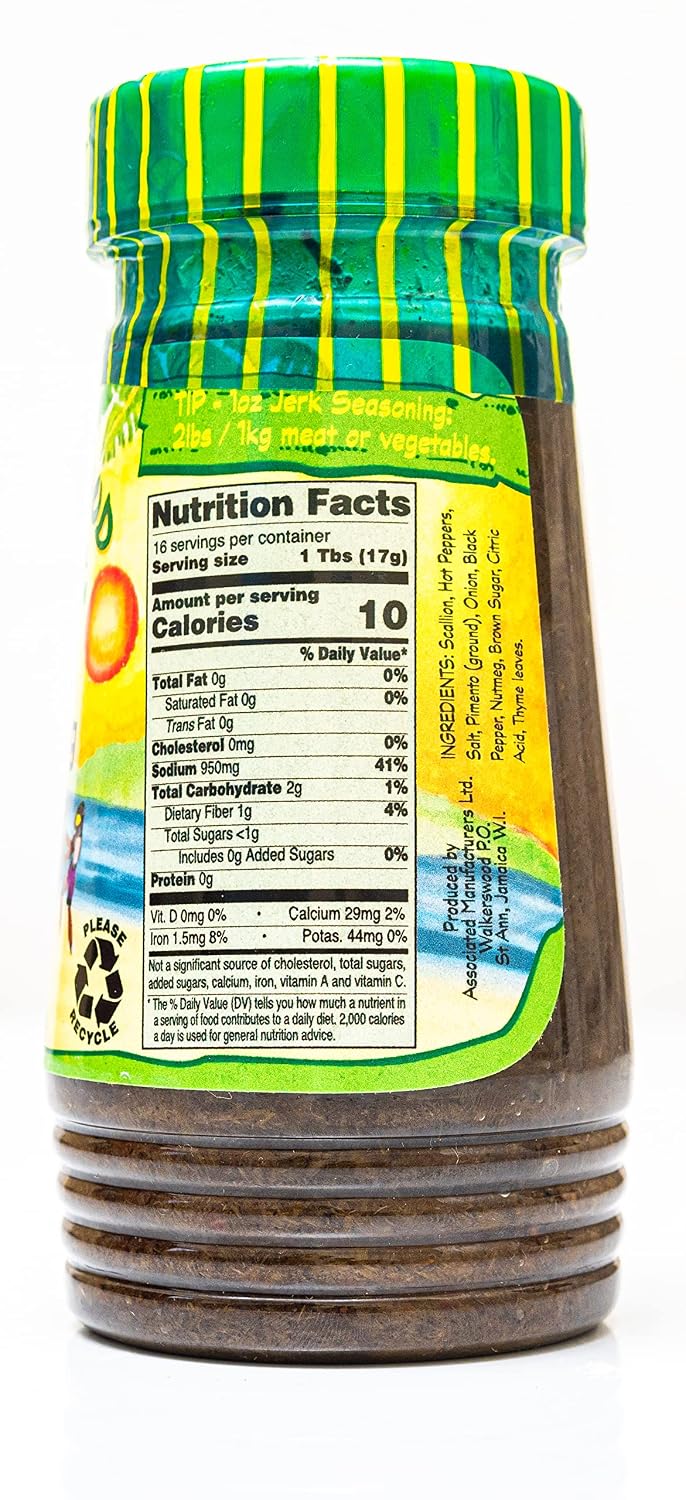
Walkerswood Traditional Jerk Seasoning is a Jamaican-made wet rub — a thick, deeply aromatic paste built around scotch bonnet peppers, allspice, thyme, scallions, and ginger. It’s the backbone of authentic jerk chicken, jerk pork, and a dozen other Caribbean preparations. Walkerswood Caribbean Foods, based in St. Ann Parish, Jamaica, has been producing it for export since the 1980s. As the Jamaica Observer has reported in its coverage of island-based export brands, Walkerswood remains one of the most recognized Caribbean condiment producers in the diaspora market. The brand offers two core variants for home cooks: Mild and Hot & Spicy. This article breaks down exactly what separates them, where the real heat risk lies, and how to make the call between them with confidence.
”Mild” Does Not Mean What You Think It Means
This is the non-negotiable starting point for any Walkerswood purchase decision. Reviewers across aggregated ratings consistently flag the same surprise: Walkerswood Mild reads as notably spicy by mainstream American grocery standards.
To understand why, you need a quick Scoville detour. Scoville units (SHU) measure pepper heat. Jalapeños — the default “spicy” reference point for most American consumers — register at roughly 2,500–8,000 SHU. Scotch bonnet peppers, which anchor Walkerswood’s heat, register at 100,000–350,000 SHU, according to The Spruce Eats’ scotch bonnet pepper heat-comparison guide. That’s a 40x gap at the low end. Even when a recipe dials back the scotch bonnet quantity to create a “mild” product, you’re still working within a fundamentally hotter botanical family than anything a fast-food “spicy” sandwich is using.
Multiple owners note this directly in long-run reviews: Walkerswood Mild benchmarks hotter than fast-food spicy options, hotter than most jarred salsa labeled “hot,” and roughly on par with a medium-hot Thai dish. It is not mild by chain-restaurant standards. It is mild relative to Caribbean jerk tradition — which is a very different frame of reference.
The practical decision rule: If your household includes people who consider themselves “medium heat” consumers by American standards, Walkerswood Mild is the correct buy. If anyone in your household actively avoids spice, Mild still requires dilution or careful application. It is not a crowd-safe product right out of the jar for heat-sensitive guests.
The flavor profile that wins over every reviewer — the earthiness of allspice, the brightness of thyme and scallion, the depth of the paste’s wet fermentation-adjacent base — is present in full in the Mild. You are not trading flavor for comfort. You are simply choosing a more navigable heat ceiling.
How the Two Variants Compare: A Structured Breakdown
The decision between Mild and Hot & Spicy is not just about personal heat preference. Marinade time, protein type, cooking context, and intended audience all affect which variant performs better for a given cook. The three sub-sections below map the decision across the most common purchasing scenarios.
Mild: The Right Default for Most Households
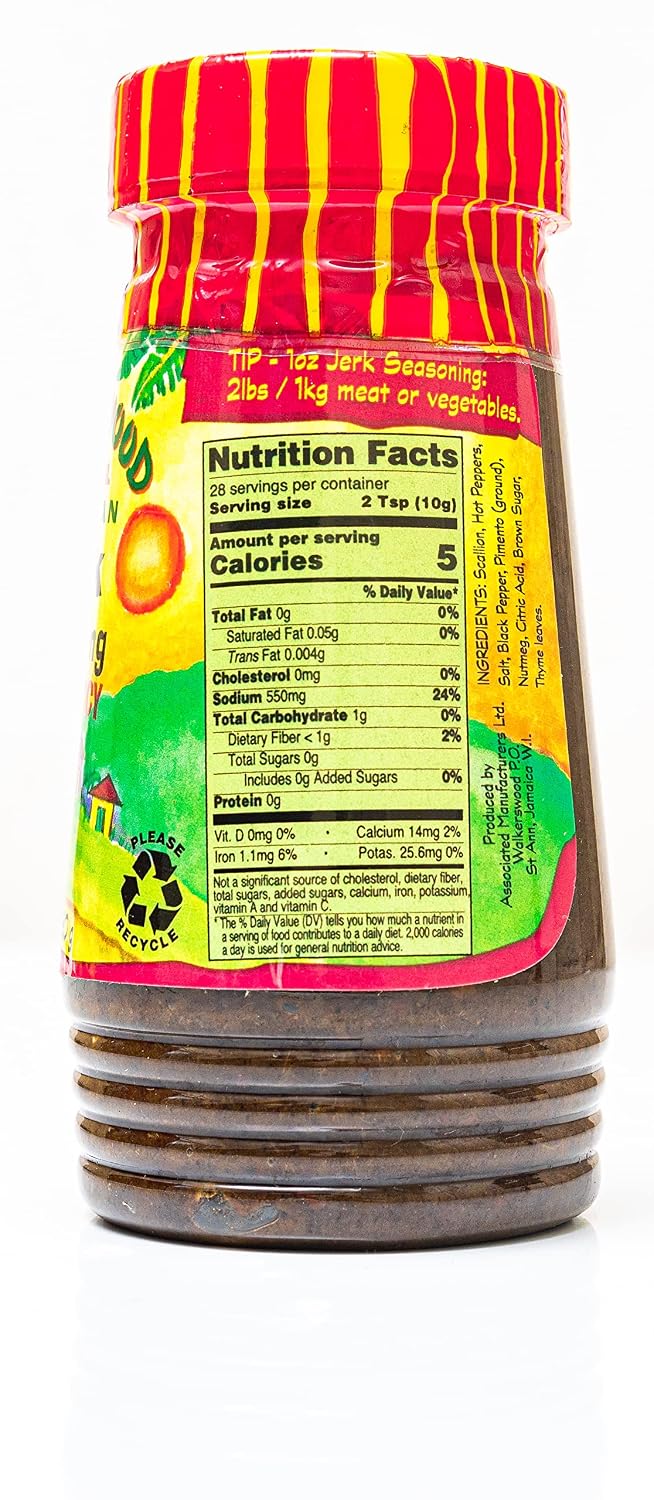
Walkerswood Mild is the statistically safer first purchase for cooks new to the brand, households with mixed heat tolerance, or anyone cooking for guests whose preferences are unknown. The scotch bonnet presence is real and noticeable, but the heat ceiling is manageable for most intermediate home cooks.
The flavor payoff is uncompromised. Serious Eats, in its overview of Jamaican jerk tradition, describes jerk seasoning’s allspice-and-scotch-bonnet base as the defining flavor architecture of the style — and that architecture is fully intact in the Mild variant. The allspice is earthy and warm, the thyme cuts through with herbal brightness, and the scallion adds a mild sharpness that lifts the whole paste. None of this is diminished by the reduced heat level.
Practical notes from experienced owners: Mild handles longer marinade windows better than Hot & Spicy — overnight marination (12–24 hours) on chicken is commonly reported without heat overload. It is also the safer default for fish, vegetables, and tofu, where shorter contact times are ideal anyway.
Walkerswood
$4.97
In stock on Amazon
Check price on AmazonHot & Spicy: For Experienced Heat Consumers and High-Volume Cooks
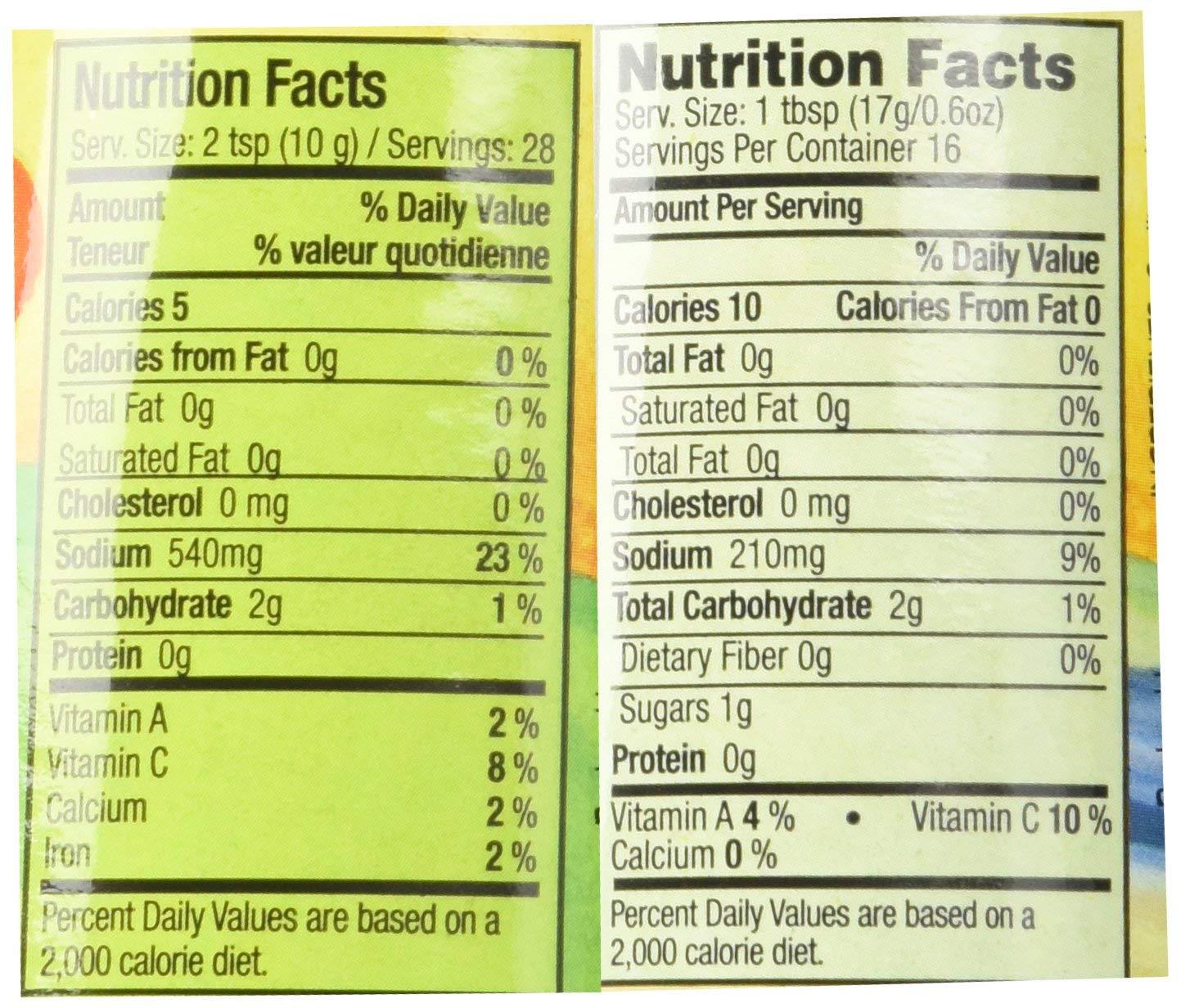
The Hot & Spicy variant is not a casual escalation from Mild. Owners who use it regularly describe a product where marinade time becomes a critical variable, not a casual preference.
A consistent pattern emerges across aggregated reviews: a 24-hour marinade with Hot & Spicy at full concentration has produced results too hot to serve at a family meal. That is a data point worth taking seriously — not because the product is flawed, but because it illustrates how aggressively scotch bonnet heat penetrates protein over extended wet contact. Scotch bonnet capsaicin is fat-soluble and works deeply into muscle fiber during long marination windows.
The dilution strategy experienced reviewers recommend is straightforward: thin the Hot & Spicy paste with olive oil and fresh lime juice before application. This accomplishes three things simultaneously — it extends the paste, distributes heat more evenly across the protein surface rather than concentrating it, and the acid from the lime begins tenderizing work during the marinade. Owners who follow this approach report consistently better results than either using the paste undiluted or shortening the marinade time to compensate.
The catering-size Hot & Spicy jar attracts a semi-professional user base. Per the Jamaica Observer’s coverage of Walkerswood’s export positioning, larger formats are designed for professional-adjacent volume cooking. Reviewers who describe weekly restaurant-scale jerk operations cite the economics of the larger format as meaningfully better per ounce.
Walkerswood
$18.06
In stock on Amazon
Check price on AmazonMixed Pack: The Convenience Trade-Off
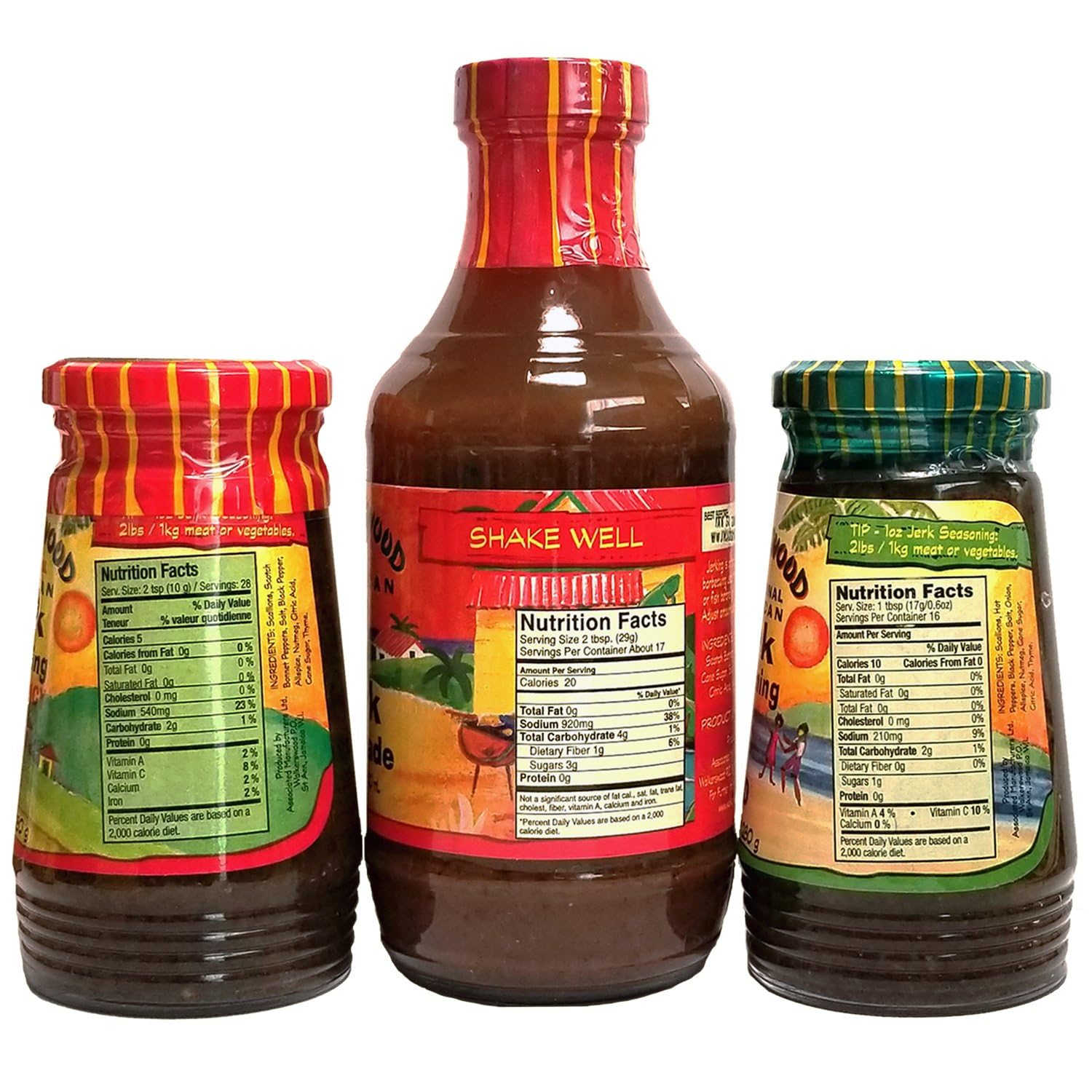
The mixed pack — typically one jar of Mild and one of Hot & Spicy — looks like the obvious solution for households that want both variants on hand. The economics are reasonable and the logic is sound. But a specific, recurring complaint from mixed-pack buyers distinguishes this format from single-jar purchases in a way that matters for some buyers.
Single-jar Walkerswood purchases attract virtually no complaints about sealing or transit damage. Mixed packs, by contrast, generate repeated reports of lids that don’t pop when opened, jars that have shifted or leaked in transit, and packaging that doesn’t reassure buyers that product arrived sealed. The seasoning inside is never the subject of these complaints — flavor, aroma, and quality receive uniform praise. The issue is fulfillment and multi-jar packaging integrity.
The decision rule on format: If you are an experienced Walkerswood user who rotates both variants and will consume them within a reasonable window, the mixed pack can represent good value. If you are buying as a gift, purchasing for a food-safety-sensitive household, or ordering for someone else, single-jar purchases eliminate the sealing ambiguity entirely. There is no quality argument for the mixed pack over single jars — the only argument is price-per-ounce convenience, and it comes with a documented packaging caveat.
Walkerswood
$35.00
In stock on Amazon
Check price on AmazonBeyond Chicken: What Walkerswood Actually Works On
One of the most underutilized aspects of Walkerswood — both Mild and Hot & Spicy — is its versatility beyond the canonical jerk chicken application. Saveur’s feature on Jamaican jerk tradition notes that the style’s allspice-and-scotch-bonnet base was historically applied to pork first, with chicken becoming the dominant protein for export-facing recipes later. Serious Eats’ jerk seasoning overview similarly notes that the tradition is fundamentally about the spice paste and the cooking method together, not any single protein.
Owners report excellent results across a wider protein range than the label implies:
Beef: Both variants work well on beef — particularly short ribs, skirt steak, and burgers. The allspice-forward profile pairs naturally with the richness of beef fat. Reduce marinade time slightly compared to chicken, as the denser muscle fiber of beef concentrates the paste’s heat more intensely on the surface.
Fish and seafood: This is where Walkerswood rewards restrained, confident application. Owners who use it on fish — snapper, mahi-mahi, shrimp — consistently recommend a shorter marinade (30–60 minutes maximum) and a thin application, particularly with Hot & Spicy. Fish protein absorbs scotch bonnet heat much faster than chicken, and the paste’s aromatic compounds can overwhelm rather than complement if applied heavily. Mild is the better default for fish unless you are an experienced heat consumer.
Vegetables and tofu: The allspice, thyme, and scotch bonnet combination is flavor-forward enough to work on roasted cauliflower, plantain, or firm tofu. Heat penetration is slower on dense vegetables, so longer contact time is fine with Mild. Apply Hot & Spicy to vegetables as a finishing marinade rather than an overnight soak.
Taste Atlas, in its Jamaica country profile and jerk seasoning entry, notes that the tradition is fundamentally about the spice paste and smoke together. If you’re cooking indoors without a grill, a cast-iron pan at high heat for the initial sear, finished in the oven, recovers much of the char and crust that makes jerk work.
Heat Reference Table
| Variant | Scotch Bonnet SHU Range | Recommended Marinade Window (Chicken) | Dilution Recommended? |
|---|---|---|---|
| Mild | ~100K–200K (moderated) | 4–24 hours | Optional for heat-sensitive households |
| Hot & Spicy | ~200K–350K (full range) | 2–6 hours optimal | Recommended for family cooking |
| Jalapeño benchmark | ~2,500–8,000 | N/A | N/A |
SHU ranges are approximations based on scotch bonnet variability as documented in The Spruce Eats’ scotch bonnet heat-comparison guide. Individual batch heat can vary.
Frequently Asked Questions
Is Walkerswood Mild actually mild by mainstream standards? No. Mild is relative to Caribbean jerk tradition, not mainstream American grocery standards. Reviewers consistently benchmark it as hotter than fast-food “spicy” options. Plan accordingly, especially for heat-sensitive guests.
How long should I marinate with Hot & Spicy before it becomes too intense? Owners report optimal results in the 2–6 hour window for chicken at full concentration. A 24-hour marinade has been documented as producing results too hot to serve. Thin the paste with olive oil and lime juice to extend the safe marinade window.
Does the mixed pack arrive with proper seals? Mixed-pack buyers report a consistent pattern of missing vacuum seals and transit leaking. Single-jar purchases attract virtually none of these complaints. If seal integrity matters — for gifts, food-safety confidence, or extended storage — buy single jars.
Can I use Walkerswood on beef and fish, or is it mainly for chicken? Both variants work well on beef and fish. For fish, use Mild, apply thinly, and limit marinade time to 30–60 minutes. For beef, either variant works; slightly reduce marinade time compared to chicken given denser muscle structure.
What is the best way to dilute Hot & Spicy for family cooking? The standard approach documented by experienced owners: thin the paste with olive oil and fresh lime juice before applying to protein. This distributes heat more evenly, reduces overall intensity, and adds tenderizing acid to the marinade.
Is it worth buying the mixed pack or should I buy single jars? For first-time buyers or gift purchases, single jars eliminate packaging risk and let you calibrate heat level independently. For high-volume, experienced cooks rotating both variants, the mixed pack or catering format offers better per-ounce economics. The seasoning quality is identical across formats; the decision is purely logistical.