You know that feeling when you open a pot of rice and the color is just wrong — pale and tired instead of that warm golden-orange that makes everyone lean in and ask what you made? Nine times out of ten, the answer is sazon. Sazon (sometimes spelled sazón, pronounced sah-ZONE) is a dry seasoning blend used throughout Latin American and Caribbean kitchens to season and color rice, stews, beans, and meats. At its core, a sazon blend typically contains some combination of salt, garlic, cumin, oregano, coriander, and — most importantly for color — either annatto (a natural orange-red pigment from the seeds of the achiote tree, used in Caribbean cooking for centuries) or a synthetic food dye like Yellow 5 and Red 40. The brand you choose, and whether it uses annatto or artificial coloring, will change both the color and the flavor of your finished dish in ways that matter. This article breaks down three widely available sazon brands — Badia, GranAroma, and Unpretentious — so you can make the right call for your pantry, your dietary preferences, and your dish.
| EDITOR'S PICKGranAroma Caribbean Sazón | Mid-tierUnpretentious Caribbean Sazón | Budget pickBadia Sazon Tropical With Coria… | |
|---|---|---|---|
| Size | 12 oz | 12 oz | 6.75 oz |
| Cuisine | Caribbean | Latin | Tropical |
| Flavor | Chicken & Rice | Savory | Coriander & Annatto |
| Price | $8.79 | $8.49 | $4.87 |
| See on Amazon → | See on Amazon → | See on Amazon → |
What You’re Actually Buying When You Buy Sazon
Before we get into brand specifics, it’s worth understanding the functional split in the sazon market, because it shapes everything downstream.
Annatto-based sazon draws its color from ground achiote seeds. Serious Eats, in their editorial coverage of annatto in Latin and Caribbean cooking, notes that annatto contributes not just an earthy, mildly peppery, slightly floral flavor alongside its signature orange pigment — the two effects are inseparable in a well-made blend. Historically, this is the “original” sazon approach, and it’s the version you’ll find in traditional Caribbean and Latin kitchens from Puerto Rico to Trinidad.
Dye-based sazon achieves similar visual results — golden-orange rice, deeply colored stews — with synthetic food colorings and no annatto. This produces a brighter, more uniform color in the finished dish, but the flavor contribution from the coloring agent is zero, so the seasoning blend has to carry more of the aromatic work on its own.
The Spruce Eats, in their explainer “What Is Sazón and How Do You Use It?”, notes that the two versions are often used interchangeably by home cooks but respond differently to heat and liquid ratios, with annatto color being somewhat more muted at high liquid volumes while artificial dye holds more consistently. Knowing which type is in your packet tells you what to expect before you open the pot.
Brand-by-Brand Breakdown
Badia Sazon Tropical
Badia is the loyalty anchor in this category. Reviewers who use Badia don’t describe it as “pretty good” — they describe it as the sazon, the one their mother sent in care packages, the one they repurchase without comparison shopping. That word-of-mouth intensity is data worth taking seriously.
Badia Sazon Tropical contains MSG, salt, and artificial food coloring (rather than annatto), which explains its consistent, high-saturation color output. Reviewers across multiple platforms describe the rice color as reliably vivid. The flavor profile leans savory and slightly umami-forward from the MSG, with garlic and coriander as the dominant aromatics.
The salt callout is real. Multiple Badia reviewers — including several who are otherwise enthusiastic — flag that Badia Sazon Tropical runs salty. Practical advice that comes up repeatedly: don’t add additional salt until you’ve cooked with it enough to calibrate. The math matters here. If you’re building a rice dish that already uses salted broth, salted sofrito, or salted olives, Badia can push the dish over the line before you realize it. The correct workflow is to add your Badia first, taste at the midpoint, and season with additional salt only if actually needed. Taste Atlas, in their sazón seasoning blend profile, confirms that the seasoning blend alone should be treated as a salt source in recipe calculations rather than an addition on top of your existing salt budget.
The diaspora-nostalgia factor is not nothing. Flavor memory is real, and Badia’s formula has been consistent long enough that many Caribbean and Latin diaspora households have their palates calibrated to it. If you’re cooking for a crowd that grew up on Badia, replicating that flavor with a different brand is harder than it sounds.
By the Numbers — Badia Sazon Tropical
- Coloring agent: Artificial (Yellow 5, Red 40)
- Primary flavor drivers: MSG, garlic, coriander, salt
- Salt sensitivity: High — reduce added salt by ~50% on first use
- Loyalty signal: Unusually strong repeat-buyer language across reviews
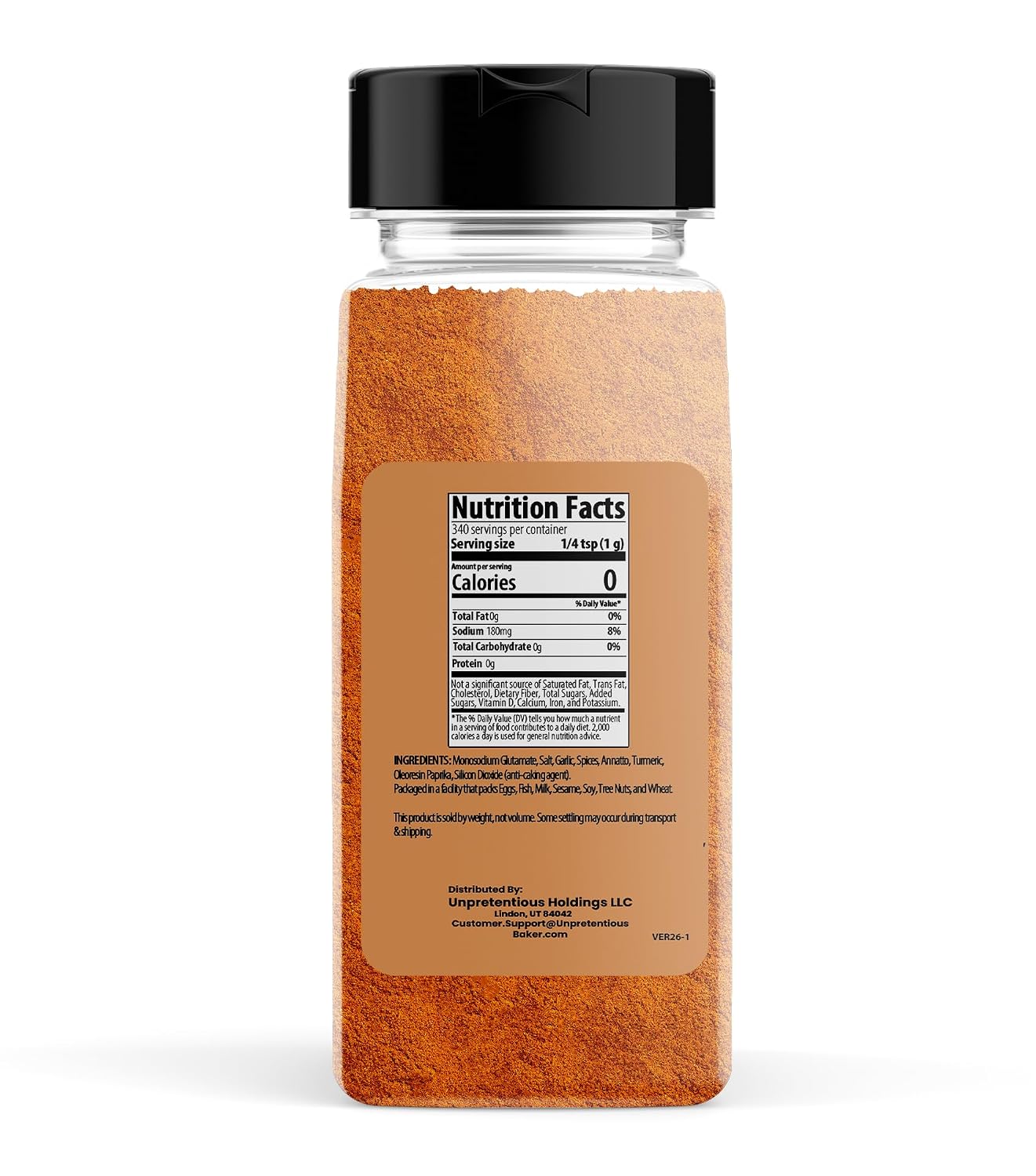
Unpretentious
$8.49
In stock on Amazon
Check price on AmazonGranAroma Sazon
GranAroma’s market position is built on a single, clear differentiator: no artificial dye. For households avoiding synthetic food colorings — whether for allergy management, dietary preference, or a general move toward cleaner labels — GranAroma is the logical first alternative to examine.
The color comes from annatto (achiote), which means you’re getting a flavor contribution alongside the pigment. Here’s where the tradeoffs get honest: the reviewer community that most enthusiastically praises GranAroma’s dye-free positioning also notes directly that the flavor needs supplementing. That’s not a buried caveat — it’s the thing you most need to know. GranAroma’s annatto-forward formula produces a different flavor baseline than Badia’s MSG-driven profile, and some cooks find the gap significant enough to describe it as a different culinary register entirely rather than a straight substitution.
This is a meaningful signal. The difference isn’t necessarily a quality defect — it’s a genuine flavor divergence. GranAroma’s profile is likely more floral and less umami-rich than Badia, which for some cooks is a feature (they want the dish’s other aromatics to lead) and for others is a gap (they want the sazon to carry more of the flavor load itself).
If you’re moving to GranAroma from Badia, guidance from Epicurious on layered rice seasoning is relevant: you’ll likely want to bolster GranAroma with a small addition of garlic powder, cumin, or a separate MSG-free umami source like nutritional yeast or dried mushroom powder to bridge the flavor gap. Think of GranAroma as a canvas sazon — it sets the color and provides a floral aromatic foundation — rather than a complete one-packet seasoning solution.
Color output: Annatto-based color is warm and slightly more orange-amber than the brighter yellow-gold from artificial dye. It’s attractive and authentic-feeling, but it can appear slightly less vivid, particularly in high-liquid dishes like bean stews or soups where the pigment dilutes more than synthetic dye would.
By the Numbers — GranAroma Sazon
- Coloring agent: Annatto (achiote seed)
- Primary flavor drivers: Annatto, garlic, coriander — no MSG
- Flavor supplementing needed: Yes, for cooks accustomed to MSG-forward profiles
- Label appeal: Strong for dye-free and MSG-free households
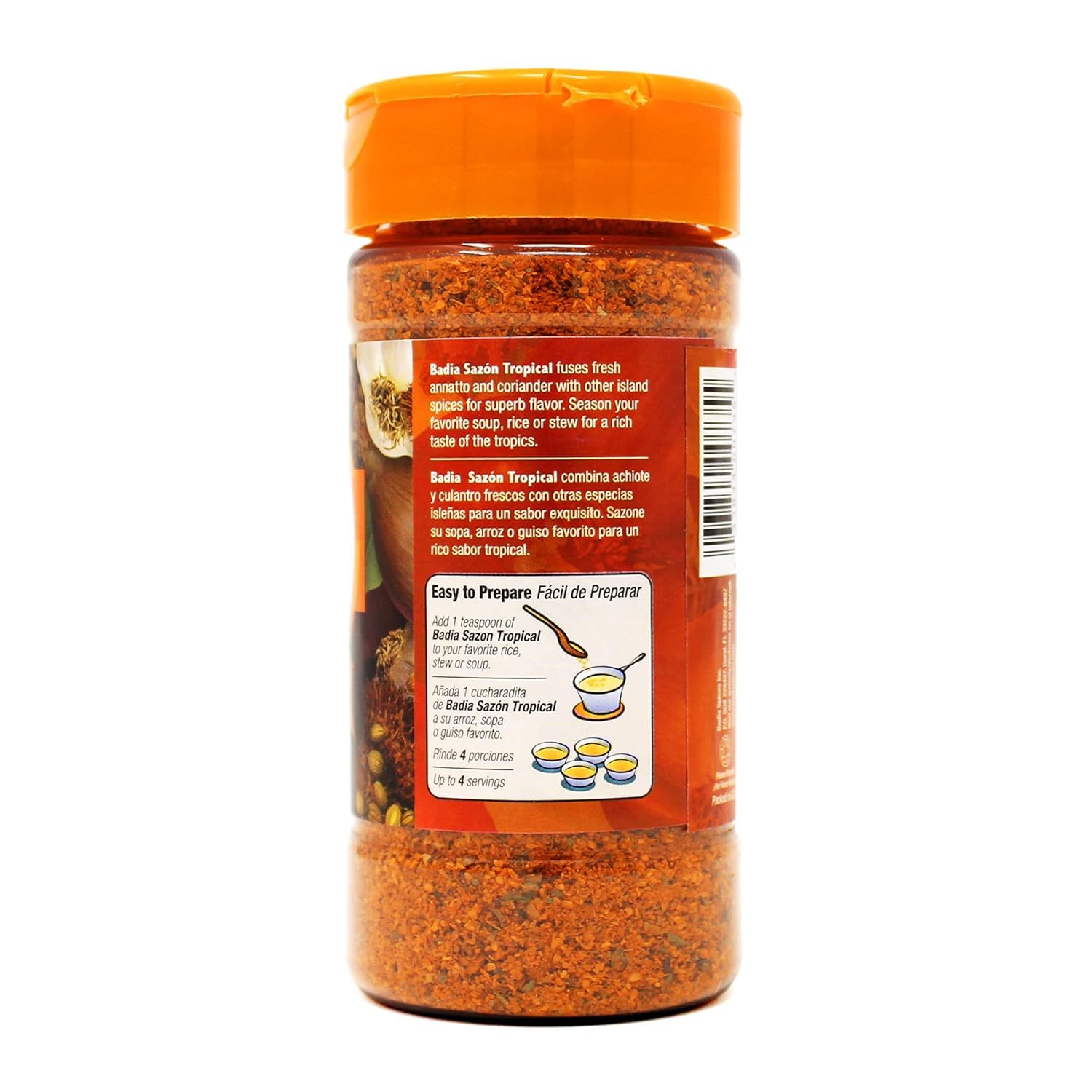
Badia
$4.87
In stock on Amazon
Check price on AmazonUnpretentious Sazon
Unpretentious enters as the accessible-volume brand: larger container sizes, clean packaging, and positive but notably less fervent review language than Badia. Reviewers like it. They use it again. They don’t call their mother to report back.
That enthusiasm gap isn’t necessarily a disqualifier — it may simply reflect a newer brand with a shorter nostalgia runway — but as a decision signal, it’s honest to name. Where Badia reviewers use language like “only sazon I’ll ever use,” Unpretentious reviewers tend toward “works well” and “good value.” These are meaningfully different registers of endorsement.
Unpretentious’s formula positioning varies by SKU, so check your specific package for annatto vs. dye. The brand’s general identity skews toward accessible, straightforward seasoning without strong regional identity claims — which makes it a reasonable pantry fill-in but a weaker choice if you’re cooking for a crowd with established sazon preferences baked in by years of a specific brand.
Where Unpretentious earns its place: If you’re building quantity — cooking for a large gathering, stocking a communal kitchen, or experimenting with sazon in a new application like a marinade or dry rub — the value-per-ounce math can favor Unpretentious over smaller Badia containers without a significant quality penalty. For low-stakes experimentation and volume cooking, it’s a practical entry point.
By the Numbers — Unpretentious Sazon
- Coloring agent: Varies by SKU — check label
- Primary flavor drivers: Salt, garlic, coriander (MSG content varies)
- Enthusiasm signal: Positive but moderate — functional praise, not devotion
- Best use case: Volume cooking, new-to-sazon exploration, pantry backup
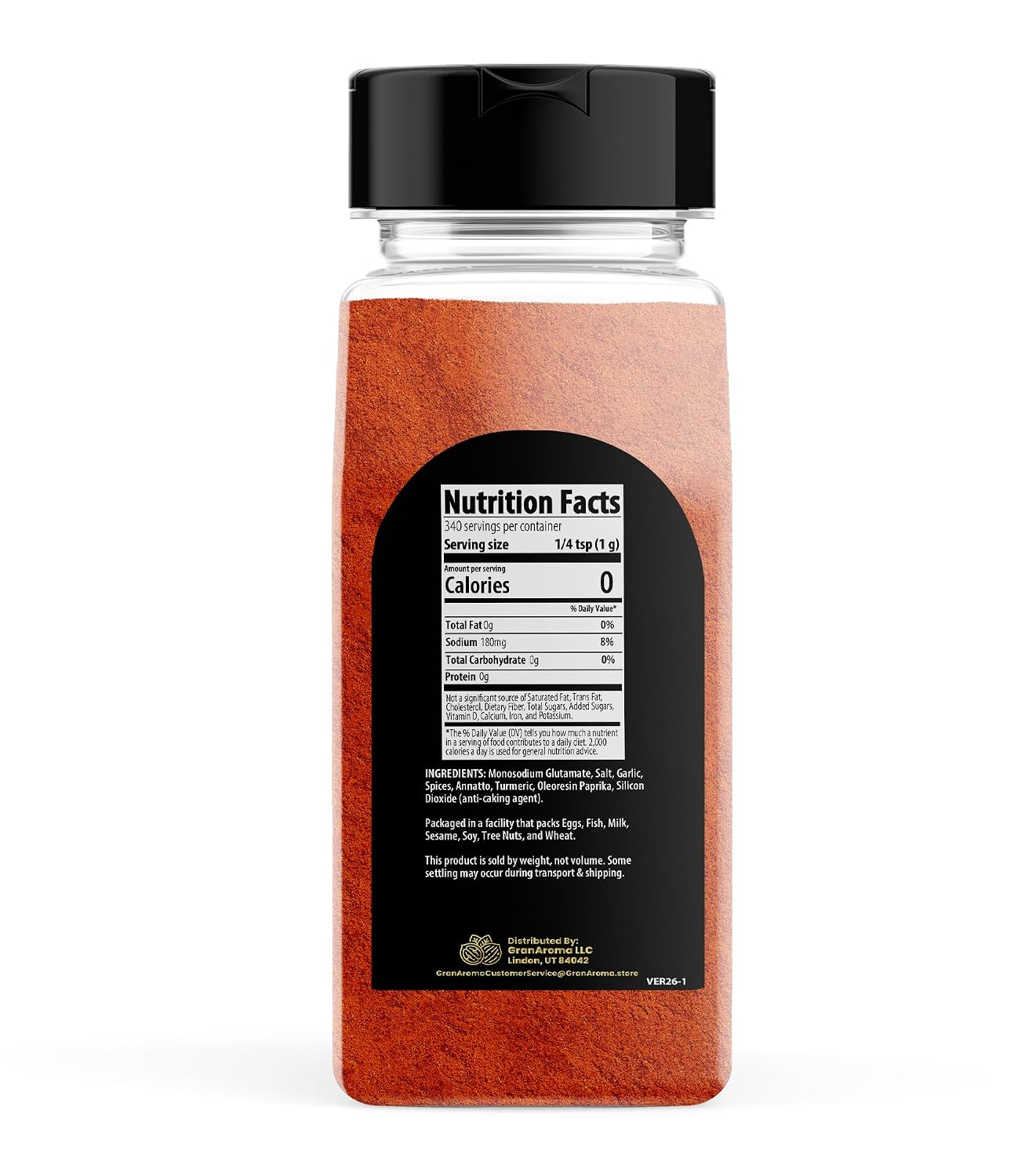
GranAroma
$8.79
In stock on Amazon
Check price on AmazonThe Decision Frame: If X, Then Y
| Your situation | Our read |
|---|---|
| Diaspora household replicating a specific flavor memory | Start with Badia — match the baseline first |
| Avoiding artificial dyes or MSG | GranAroma, but plan to supplement flavor |
| Cooking large batches, value matters | Unpretentious as a volume fill-in |
| Low-sodium cooking priority | None of these are low-sodium — reduce added salt with all three |
| First-time sazon buyer exploring the category | Badia as the reference point; branch from there |
Frequently Asked Questions
What is the difference between sazon with annatto and sazon with artificial food coloring? Annatto-based sazon uses ground achiote seeds for color and contributes a mild, earthy, slightly floral flavor alongside the pigment. Artificial-dye sazon achieves similar visual results with synthetic colorings — typically Yellow 5 and Red 40 — with no flavor contribution from the coloring agent itself. The Spruce Eats, in “What Is Sazón and How Do You Use It?”, notes that dye-based sazon tends to produce more color-consistent results at higher liquid volumes, while annatto-based sazon provides a slightly more muted, warm-amber tone that many cooks find more visually authentic to traditional preparations.
Will any of these sazon blends color my rice the same way traditional packets do? Badia, using artificial dye, most closely replicates the vivid color output of the traditional packet format that became the North American category standard. GranAroma will produce a similar but slightly more amber, less saturated result due to annatto. Unpretentious falls somewhere in between depending on the SKU. None will produce pale rice when used at package-recommended quantities — the color output across all three is functional and visible.
Is Badia Sazon Tropical comparable to the Goya sazon packet format? They are not identical products, but they share the artificial-dye, MSG, salt, garlic, and coriander structural profile that defines the mainstream sazon category. Badia loyalists who have switched from Goya packets generally report the results as comparable. Taste Atlas, in their sazón seasoning blend profile, notes that the category overall has converged around a similar flavor template since the small-packet format became the dominant market reference point in North American Latin grocery.
How much salt is in Badia Sazon and should I reduce other salt in my recipe? Badia Sazon Tropical runs high in sodium. Reviewers consistently recommend treating it as your primary salt source and withholding additional salt until tasting midway through cooking. If your recipe includes salted broth, sofrito, olives, or capers, reduce or eliminate additional salt entirely until you’ve built intuition for how Badia performs in your specific dishes. This is not a flaw to work around — it’s a workflow adjustment that makes Badia easier to use precisely once you’ve internalized it.
Can I use Caribbean sazon in dishes beyond Caribbean cooking, or is it specifically regional? Sazon is not Caribbean-specific — it is a Latin American seasoning staple used widely across Puerto Rican, Dominican, Cuban, and broader Central and South American cooking. Its flavor profile (cumin, coriander, garlic, achiote) overlaps with components common in some other global cuisines. Epicurious, in their guidance on rice seasoning techniques, notes that annatto-based sazon blends in particular travel well into rice preparations and marinades beyond their home cuisines. It won’t behave identically to dedicated spice blends from other culinary traditions, but it’s far from single-cuisine locked.
Does GranAroma sazon actually color food without dye, or does it come out pale? It colors food — the annatto provides genuine pigmentation. The result is a warm orange-amber rather than the brighter yellow-gold of artificial-dye products. In high-liquid dishes, the color may appear slightly less saturated than you’d expect from a dye-based sazon, but GranAroma’s annatto content is sufficient to color rice, beans, and stew bases visibly and attractively. “Pale” would be an overstatement; “slightly more muted and amber-toned than Badia” is the accurate description. Serious Eats’ editorial coverage of annatto in Latin and Caribbean cooking affirms that properly ground achiote produces a reliable, warm pigment — the subtlety is in tone, not intensity.