You know that feeling when you’re standing in the Caribbean grocery aisle holding two jars of the same brand — one says “mild,” one says “hot” — and you genuinely cannot picture how different they’ll taste on your chicken? That uncertainty is expensive when you’re buying blind. The Grace Jerk Paste Variety Pack solves that problem by letting you run all three variants — Honey, Mild, and Hot — simultaneously rather than committing to a full jar of the wrong one. Jerk paste, for anyone new to it, is a thick, wet marinade built around scotch bonnet peppers (a fiery Caribbean chili), allspice, thyme, garlic, and ginger. It does the heavy lifting in authentic Jamaican jerk cooking — coating meat before grilling or roasting so the flavors penetrate deeply. Grace Foods is a Jamaican-founded brand headquartered in Kingston, Jamaica, that has been a diaspora pantry staple since the 1920s. This article breaks down each variant’s flavor profile, heat level, and best use case so you can shop with confidence.
What You’re Actually Getting in the Variety Pack
Before the comparison, a calibration note: the Grace Jerk Paste Variety Pack has accumulated a meaningful but still-growing review sample as of May 2026. Reviewers across aggregated sources skew enthusiastic, and the absence of packaging or seal complaints — a contrast to some competitor multipacks that drew consistent buyer complaints about missing or broken seals — is a meaningful quality signal.
By the numbers:
- 3 variants in one pack: Honey, Mild, Hot
- Competing format: Grace Dry Jerk Seasoning — a separate product with a different use case entirely (see the paste-vs-dry section below)
- Primary positioning in buyer reviews: beats mainstream American dry seasonings from brands like Lawry’s and McCormick; reviewers generally do not benchmark it against Walkerswood
That last data point matters. Reviewers are largely framing Grace paste against mainstream American dry seasonings rather than against Walkerswood Traditional Jerk Seasoning. That tells you something important about who’s currently discovering this product and what it needs to deliver.
Honey vs. Mild vs. Hot: The Real Differences
Grace Jerk Paste Honey — Sweet Forward, Not Candy Sweet
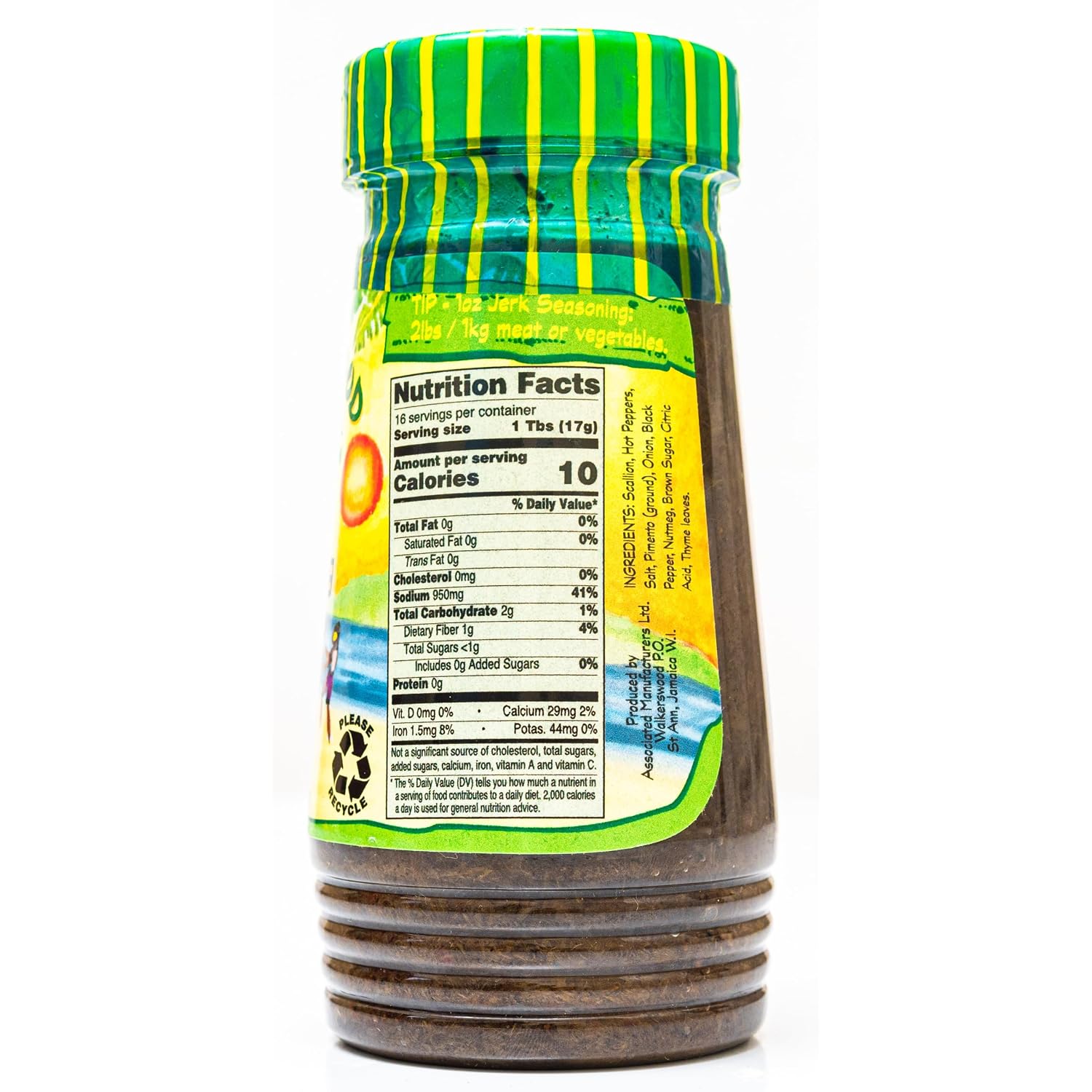
Walkerswood
$5.28
In stock on Amazon
Check price on AmazonThe most common buyer question about the Honey variant is whether the sweetness is obvious or subtle. Based on aggregated reviewer accounts and consistent owner reports across retail platforms, the honey note reads as a background warmth rather than a syrupy front-of-palate sweetness. Think of it the way a touch of brown sugar functions in a dry rub — it rounds the heat and adds caramelization during cooking, but you’re not biting into a sweet sauce.
This variant attracted the most creative use in buyer reports. A combination that appears repeatedly in review threads pairs the Grace Jerk Paste Honey with a sweet Polynesian-style dipping sauce and a brown sugar BBQ sauce for chicken — reviewers who tried it describe the result as a genuine flavor revelation. Whether you’re a purist or not, that fusion signal tells you something useful: the Honey variant plays well with sweet and tangy American condiment profiles because its heat is restrained enough not to fight them.
Serious Eats, in their overview of jerk seasoning, notes that the allspice-and-scotch-bonnet base in any jerk product creates a naturally warm, complex backbone. The Honey variant leans into that warmth rather than amplifying the pepper heat — making it the most approachable entry point in the lineup.
Best for: fusion applications, family dinners with mixed heat tolerances, glazed proteins on the grill, first-time jerk users who want the flavor without the fire.
Family-dinner-safe rating: ✅ Yes — accessible to most palates including older children.
Grace Jerk Paste Mild — The Workhorse Variant
Walkerswood
$5.28
In stock on Amazon
Check price on AmazonThe Mild variant is what most buyers in the review set describe when they say Grace paste “beats Lawry’s and McCormick.” It’s delivering the full jerk flavor architecture — scotch bonnet pepper warmth, pimento (allspice berries, the cornerstone of Jamaican jerk, not to be confused with the red stuffed olives), green onion, thyme — at a heat level that doesn’t require negotiation with your dinner guests.
Saveur’s feature on Jamaican jerk cooking, “The Real Story of Jamaican Jerk,” describes the pimento and scotch bonnet combination as the irreducible core of authentic jerk flavor. The Mild variant carries that core. Reviewers consistently report it works as a true marinade: rub it on chicken thighs overnight, and the paste penetrates the meat rather than sitting on the surface the way a dry rub does. The Spruce Eats, in their Caribbean condiment buying guide, notes that wet paste formats tend to outperform dry seasonings for marinating bone-in cuts precisely because the oil and moisture in the paste act as a carrier for fat-soluble flavor compounds — a meaningful practical advantage.
Scoville context: Scotch bonnet peppers range from 100,000 to 350,000 Scoville Heat Units in their raw form. Processed into paste with balancing ingredients, the effective heat in a mild commercial variant lands far lower — reviewers describe it as “warm” rather than “spicy.” No precise Scoville lab data is published for this SKU, so treat that characterization as directional rather than precise.
Best for: everyday marinating, bone-in chicken, pork shoulder, tofu steaks. The variant you reach for when cooking for a mixed crowd.
Family-dinner-safe rating: ✅ Yes — mild heat, broad appeal.
Grace Jerk Paste Hot — For the Heat Seekers
Walkerswood
$5.28
In stock on Amazon
Check price on AmazonThe Hot variant is where the scotch bonnet delivers its promise more directly. Buyer accounts describe it as noticeably hotter than the Mild but not punishment-level — a distinction worth holding onto if you’re calibrating against Marie Sharp’s Habanero line or a fresh scotch bonnet marinade made from scratch. It’s genuinely hot by supermarket standards; it’s moderate-to-hot by Caribbean pantry standards.
Does the Grace Jerk Paste contain actual scotch bonnet peppers or a substitute? This is one of the most-asked questions in the buyer review set, and the answer requires care. Grace Foods lists “hot peppers” in the ingredient declaration rather than specifying “scotch bonnet” by name on some label versions — a common formulation practice that allows for pepper-source flexibility in commercial production. Taste Atlas, in their Jamaica Jerk entry, and Saveur both note that many commercial jerk pastes use scotch bonnet or a close habanero-family relative. The flavor and heat profile of Grace Hot is consistent with scotch bonnet-forward jerk by reviewer description, but the exact pepper sourcing is not confirmed by the ingredient label alone.
Best for: jerk purists, heat-tolerant households, wings, jerked fish, dishes where you want the pepper to be a character in the flavor — not just background warmth.
Family-dinner-safe rating: ⚠️ Use with caution — real heat. Not suitable for low-tolerance palates.
Grace Jerk Paste vs. Walkerswood Traditional Jerk Seasoning
This is the comparison experienced practitioners actually want. Here’s the honest frame:
Walkerswood Traditional Jerk Seasoning (made in Walkerswood, Saint Ann, Jamaica) is the reference standard for many diaspora cooks — deeper, more complex allspice-forward flavor, notable scotch bonnet presence even in the mild version, and a coarser texture that clings to meat differently than Grace’s smoother paste. Serious Eats and The Spruce Eats both consistently position Walkerswood as the premium tier among widely available jerk pastes in their respective condiment and seasoning coverage.
Grace Jerk Paste runs at a lower price point with a smoother texture. Its flavor is described by owner reports as cleaner and more approachable — less funky depth, more immediate jerk aromatics. For a home cook coming from McCormick and Lawry’s, Grace is a genuine upgrade with a gentler learning curve. For a Walkerswood loyalist, Grace reads as lighter.
The tradeoff is not quality versus cheap — it’s accessibility versus depth. Both are legitimately Jamaica-connected brands (Grace Foods is Jamaican-founded and headquartered in Kingston). The question is what job you’re hiring the paste to do.
If X, then Y:
- If you’re cooking for heat-cautious guests and want easy fusion flexibility → Grace Honey or Mild
- If you want the deepest, most complex jerk flavor available in a jar → Walkerswood Traditional
- If you’re new to jerk cooking and want to learn the format before committing → Grace Variety Pack is the intelligent entry point
Grace
$29.99
In stock on Amazon
Check price on Amazon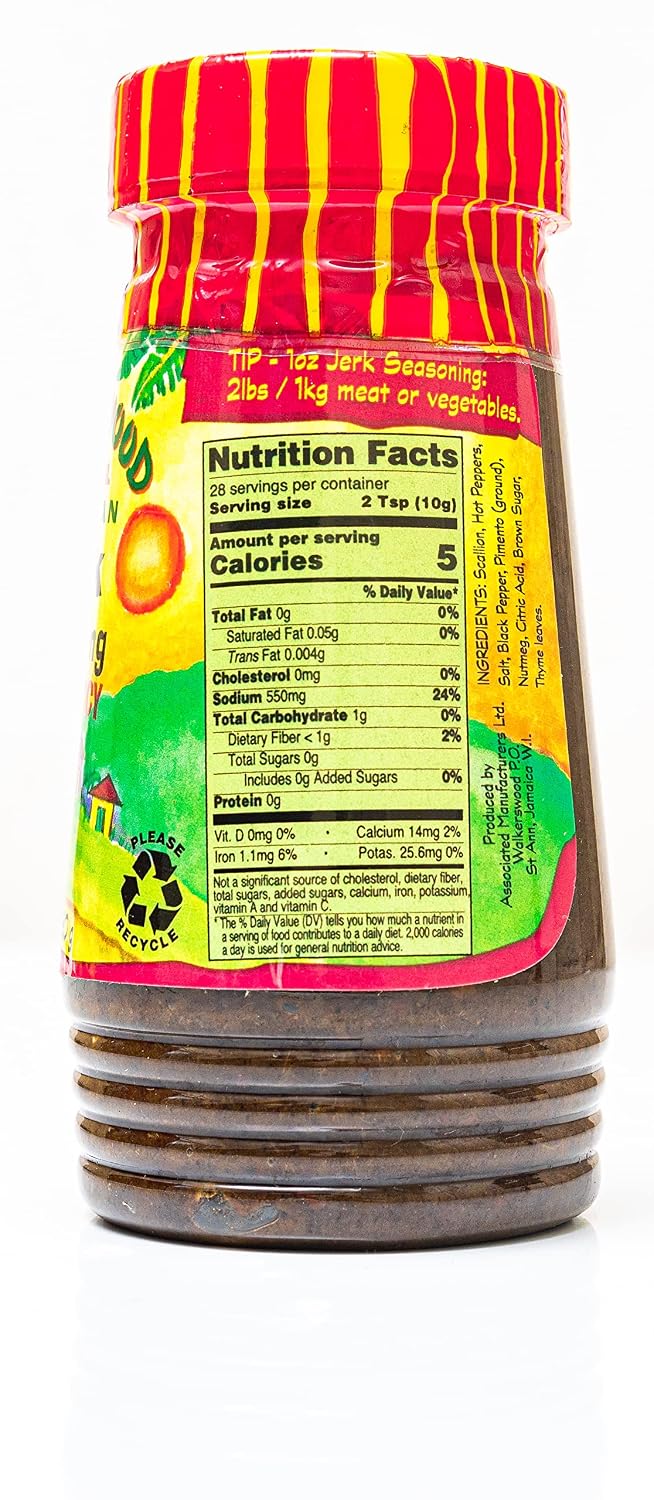
Walkerswood
$4.97
In stock on Amazon
Check price on AmazonGrace Wet Paste vs. Grace Dry Jerk Seasoning — Don’t Confuse These
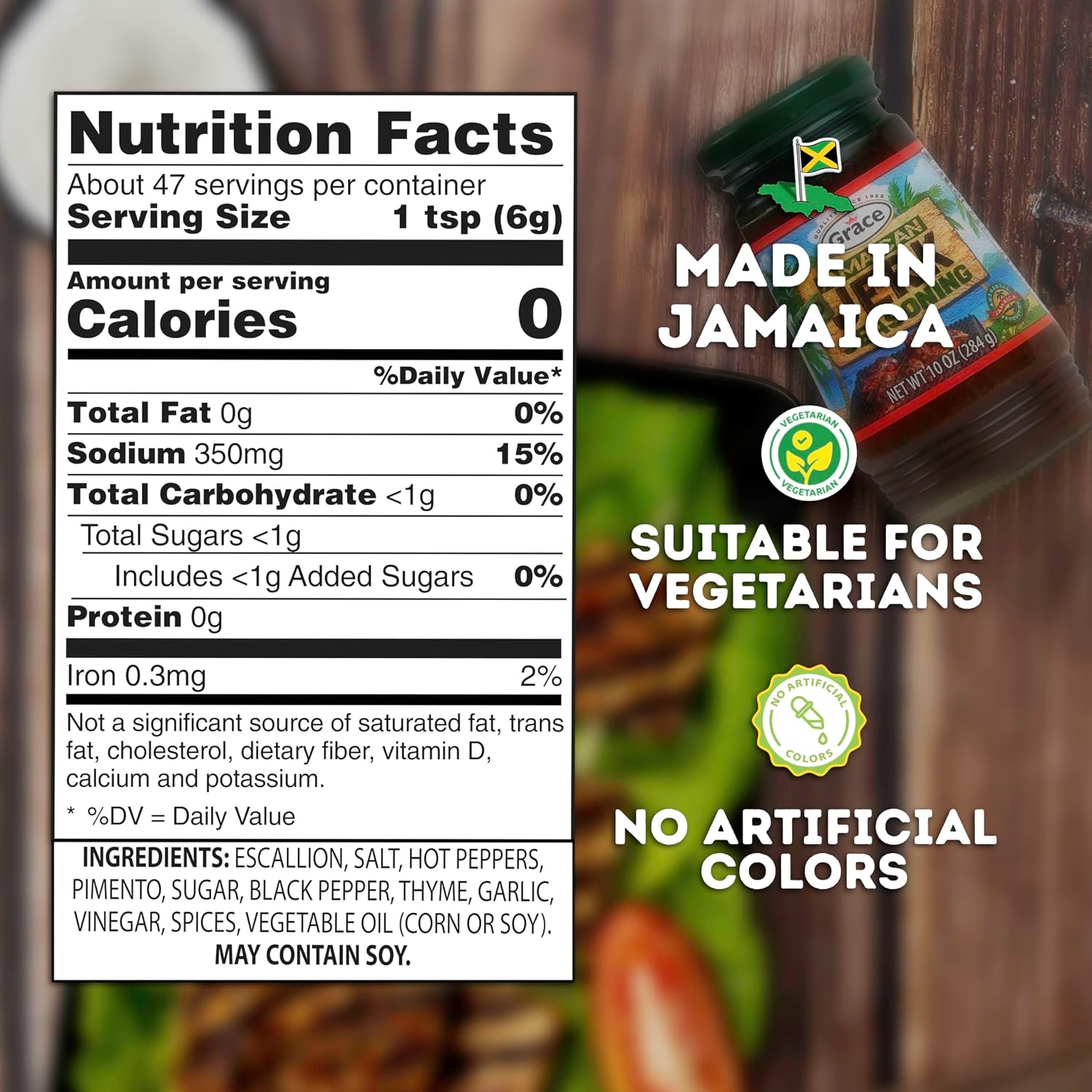
A frequent buyer error: the Grace Dry Jerk Seasoning is a completely different product from the wet paste, and the two do not substitute for each other cleanly in marinade applications. Owner reports for the dry seasoning describe using it on watermelon, popcorn, and fries — snack and surface-seasoning applications where a wet paste would create texture problems. The dry format delivers jerk flavor as a surface coating; the wet paste penetrates meat as a marinade.
Can you use the dry seasoning in a marinade recipe? Technically yes — you’d hydrate it with oil, citrus juice, or vinegar — but you’d be reverse-engineering what the paste already is. Reviewers who’ve tried both formats generally report the wet paste produces more even flavor penetration into the protein. The Spruce Eats’ Caribbean condiment guide supports this distinction: wet paste formats carry fat-soluble flavor compounds into the meat in a way that rehydrated dry seasonings approximate but rarely match.
Decision rule: If your recipe calls for jerk marinade, buy the paste. If you want a shaker seasoning for snacks, grilled corn, or finishing, the dry format is the better fit — and it’s worth keeping both in your pantry for different jobs rather than treating them as interchangeable.
Is the Variety Pack Worth It If You Already Know You Prefer Hot?
This is the right question to ask before buying. If you’re confident you want the Hot variant and nothing else, the variety pack introduces waste — two variants you’ll use less enthusiastically. The stronger case for the variety pack is when you’re cooking for different audiences at different times (a family dinner versus a cookout with heat-seekers), or when you’re building a pantry foundation and want the comparison experience.
Owner reports suggest the Honey variant specifically surprises buyers who went in expecting to ignore it — the fusion-friendly flavor profile ends up earning its place on the shelf even among buyers who self-identified as heat-preference cooks before opening the pack.
The honest decision rule: If you’re a single-heat-preference household with consistent guests, buy the Hot jar outright and save the variety spend. If you cook for mixed crowds or you’re still building jerk intuition, the variety pack is the smarter investment — it maps the full flavor range of the product line in one purchase and removes the risk of committing a full jar to the wrong variant.
Frequently Asked Questions
Is the Grace Jerk Paste Honey variant actually sweet, or is the honey subtle? The honey is subtle — a background warmth and caramelization note rather than front-of-palate sweetness. Reviewers describe it as rounding the heat rather than adding candy sweetness. It functions closer to how molasses works in a BBQ sauce than how honey reads in a dessert glaze.
How does Grace Jerk Paste compare to Walkerswood Traditional in flavor and heat level? Walkerswood runs deeper, earthier, and more complex — more pronounced allspice and scotch bonnet character. Grace runs smoother and more approachable. Both are legitimate jerk products from Jamaica-connected brands. Walkerswood is the more complex pantry staple for experienced cooks; Grace is the more accessible entry point and the better choice for fusion applications and mixed-heat-tolerance households.
Can the Grace Dry Jerk Seasoning substitute for the wet paste in a marinade recipe? Not directly. The dry seasoning is designed for surface seasoning — snacks, popcorn, fries, finishing. You can hydrate it to approximate a paste, but owner reports and The Spruce Eats’ condiment guidance consistently favor the wet paste for marinade applications where flavor penetration matters.
Is the Grace Jerk Variety Pack worth it if I already know I prefer hot over mild? Only if you cook for mixed heat-tolerance groups or you’re still calibrating your preferences. Single-heat-preference cooks who know they want Hot should buy that variant directly.
Does Grace Jerk Paste contain scotch bonnet peppers or a substitute pepper? Grace’s ingredient labeling uses “hot peppers” as the category rather than specifying scotch bonnet by name — a common commercial formulation practice. The flavor and heat profile reported by reviewers is consistent with scotch bonnet-family peppers, as characterized in Taste Atlas’s Jamaica Jerk entry and Saveur’s jerk seasoning coverage, but the exact pepper sourcing is not confirmed on the label reviewed by this editorial team.