You know that feeling when you’re standing in the Caribbean grocery aisle, staring at two Grace jerk products side by side — one in a shaker bottle, one in a squat little jar of dark, fragrant paste — and you genuinely cannot decide which one your recipe needs? You’re not confused because you don’t know what jerk is. You’re confused because both products claim to do the same job, and nobody has laid out the real tradeoffs in plain terms.
Here’s the vocabulary check before we dive in: jerk seasoning is a Jamaican spice blend built on three non-negotiables — allspice (called pimento in Jamaica), scotch bonnet pepper, and thyme — with ginger, garlic, and green onion varying by recipe and brand. It comes in two formats. Dry jerk is a powdered or coarse-ground blend you sprinkle, rub, or shake on like a seasoning salt. Wet jerk paste blends the same spices with oil, vinegar, or puréed aromatics into a thick, spreadable product you massage into protein and let marinate. This article is the decision map: which Grace format to reach for, when, and why — with the heat math, cook-method logic, and brand context that experienced Caribbean pantry builders actually need.
The Format Difference That Actually Changes Your Dish
The dry-versus-paste divide isn’t just about convenience — it shapes how the flavor moves into your food and how the surface of your protein behaves over heat.
Grace Dry Jerk Seasoning is a free-flowing powder blend. Because there’s no moisture, it forms a surface crust when it hits a hot grill grate or a hot pan, building the charred, caramelized bark that is the visual and textural signature of traditional Jamaican jerk. Home cooks consistently describe the dry format as a “daily shaker,” applying it to popcorn, buttered corn, watermelon, and garden tomatoes — foods that would turn soggy under a wet paste. That versatility is real. Serious Eats, in their guide to jerk chicken technique, notes that a well-formulated dry blend can function both as a marinade base (when pressed into protein with a little oil) and as a finishing seasoning added at the table.
Grace Jerk Paste (available in Honey, Mild, and Hot variants) introduces moisture, vinegar acidity, and smoother spice distribution. The paste coats and clings to meat fibers rather than forming a dry crust. Taste Atlas, in its Jamaica entry covering jerk chicken flavor profiles and regional variations, notes that wet-style applications are historically associated with pit-cooked or slow-smoked methods, where bark development is secondary to deep interior flavor. In practical terms: paste excels under foil in an oven braise, inside a slow cooker, or as a marinade for chicken thighs that sit overnight in the fridge. What it does less well is deliver crackling, dry-edge char without careful oven management.
Format at a Glance
| Format | Ideal Method | Crust Formation | Marinade Depth | Finishing Use |
|---|---|---|---|---|
| Grace Dry Jerk | Grill, pan-sear, open oven | High | Low (surface only without oil) | Yes — shaker-friendly |
| Grace Paste Mild | Oven braise, slow cooker, overnight marinade | Low | High | Possible, but sticky |
| Grace Paste Hot | Same as Mild; higher scotch bonnet presence | Low | High | Yes, use sparingly |
| Grace Paste Honey | Glazed oven roasting, fusion sauces | Low–Medium | High | Yes — sweet finish |
Heat Calibration: Three Grace Products, Three Heat Levels
This is where most mis-buys happen. Caribbean heat-level literacy matters enormously with jerk, because “jerk” on the label tells you nothing about where on the capsaicin spectrum a product sits.
Scotch bonnet peppers measure 100,000–350,000 Scoville heat units (SHU) — the unit food scientists use to quantify capsaicin intensity. For reference, jalapeños run 2,500–8,000 SHU. Grace’s formulations blend down the scotch bonnet’s raw heat, but the variants diverge meaningfully. The three H3 sections below map each Grace product to a heat tier, a household use case, and a cook-method sweet spot.
Grace Dry Jerk Seasoning — The Family-Table Middle Ground
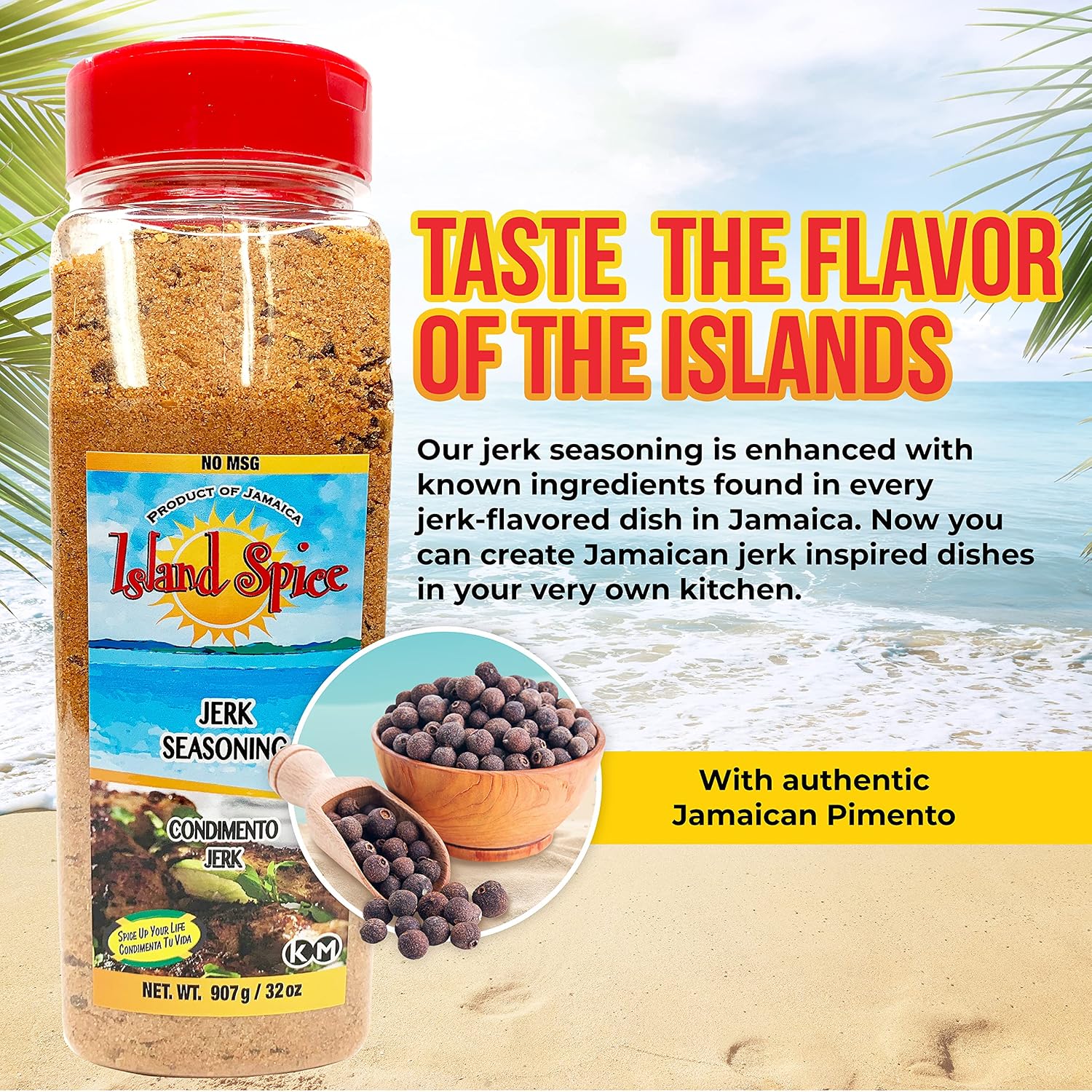
Grace Dry Jerk Seasoning lands in the accessible middle — enough scotch bonnet heat to register clearly as jerk, but calibrated for households that include heat-cautious eaters. The Spruce Eats, in its overview of Caribbean pantry staples and dry rub usage notes, classifies Grace-style dry jerk blends as family-dinner-safe for most adult palates. The flavor reads as warm and aromatic rather than face-numbing. For cooks who want recognizable jerk character without managing heat-level negotiations at the table, this is the daily-driver format — and the one that crosses most naturally into non-jerk applications like seasoned popcorn, grilled corn, and roasted vegetables.
Island
$22.97
In stock on Amazon
Check price on AmazonGrace Paste Honey and Grace Paste Mild — Entry Points for Heat-Wary Households
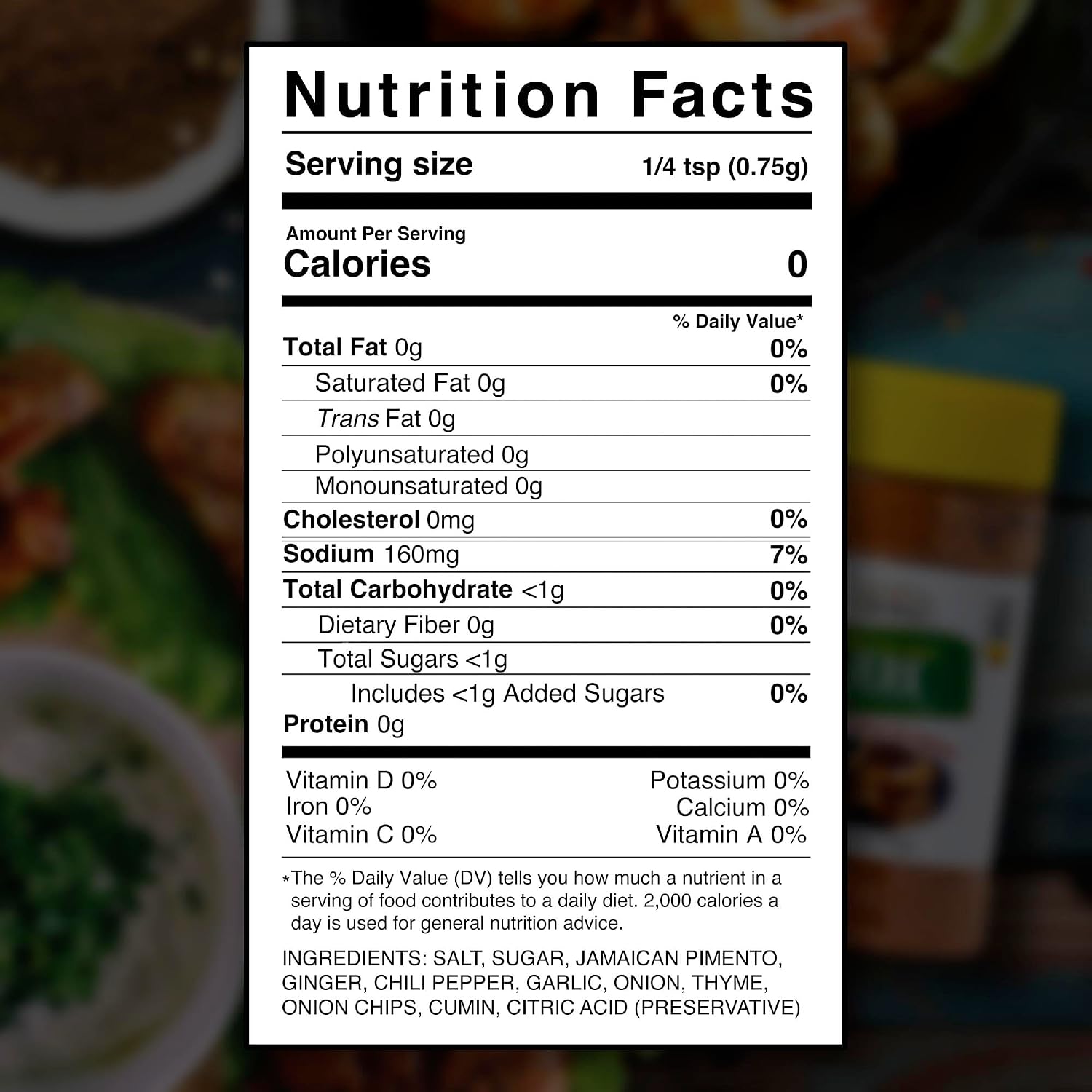
The Grace Paste variety pack gives you genuine control because it segments by heat level. Grace Honey Jerk Paste is the mildest of the three variants. The honey addition rounds out scotch bonnet heat with sweetness, making it the entry point for heat-wary guests or younger family members. Home cooks describe the flavor as “balanced and jammy” rather than hot — a useful quality for glazed oven roasting and fusion sauces where you want jerk’s aromatic backbone without its signature burn. Grace Mild Jerk Paste delivers more classic jerk aromatics — thyme, allspice, garlic — without the honey sweetness, and still sits below the threshold most adults would call challenging. Epicurious, in its Jamaican jerk seasoning flavor guide, describes the mild end of the jerk paste spectrum as “flavor-forward before it is heat-forward,” which maps accurately to both the Honey and Mild Grace variants. These two are the safer default for mixed-heat households.
Grace
$17.99
In stock on Amazon
Check price on AmazonGrace Hot Jerk Paste — Where the Scotch Bonnet Reads Clearly
Grace Hot Jerk Paste is where the scotch bonnet heat becomes the lead story. Cooks who have worked through the variety pack consistently describe it as genuinely spicy without being extreme — hot enough to notice on every bite, manageable for experienced palates. It does not reach the raw-fermented intensity of Walkerswood Traditional Jamaican Jerk Seasoning, but the step up from Mild is real and worth flagging for mixed-heat households. For a cook who wants authentic scotch bonnet presence without sourcing a specialty product, the Hot paste variant is the most direct Grace path there. Use it in slow-cooked applications — oxtail, braised chicken thighs, jerk sauce bases — where the heat has time to mellow into the liquid rather than hit raw on first contact.
Walkerswood
$44.99
In stock on Amazon
Check price on AmazonCooking Method Matchups: When to Reach for Which Format
Grilling over direct heat: Grace Dry Jerk is the clear pick. The powder creates surface adhesion that caramelizes into bark. Rub it in with a small amount of neutral oil to bind it, let the protein sit for at least 30 minutes (overnight is better), and grill over high heat. The dry format also handles flare-ups more predictably — there’s no honey or added sugar to scorch the way the Honey paste variant might over open flame.
Oven roasting (uncovered): Both formats work, but with different outcomes. Dry jerk on chicken drumsticks at 425°F builds a crackled, pepper-forward crust that mimics grill char reasonably well. Grace paste — particularly the Mild or Hot variant — produces a lacquered, glossy surface that’s deeply seasoned throughout. The Honey variant is especially effective for open oven roasting because the sugars brown beautifully; watch for burning above 400°F and tent loosely with foil if the surface darkens too fast.
Oven braising or slow cooker: Paste wins decisively. Dry jerk disperses unevenly in liquid and can taste dusty if not pre-bloomed in fat first. Grace Paste dissolves into braising liquid, seasons the whole cook evenly, and builds a rich, complex sauce base. Saveur, in its reporting on diaspora jerk techniques and how the spice blend travels across cooking traditions, notes that slow-cooked applications — particularly for tougher cuts like oxtail or goat — favor wet paste formulations because they integrate into cooking liquid rather than sitting on the surface.
Seafood and vegetables: Dry jerk is the practitioner pick. The dry format doesn’t waterlog delicate textures. Shrimp, corn, roasted carrots, cauliflower, and snap peas all take Grace Dry Jerk well. Paste would make most thin-cut vegetables soggy before they cook through, and the added moisture competes with the browning that makes roasted vegetables worthwhile.
Fusion applications and compound sauces: Grace Paste — any variant — stirs into sauces, dressings, and dips in a way dry powder resists. Home cooks report pairing Grace Paste with tangy fruit-based sauces and using it as a component in compound butters. The paste’s moisture and acidity make it a natural building block in these contexts. Dry jerk, by contrast, travels well across cuisine applications as a finishing shake — applied to foods that need flavor without formula, the way a seasoning salt would be used.
How Grace Stacks Up Against Walkerswood
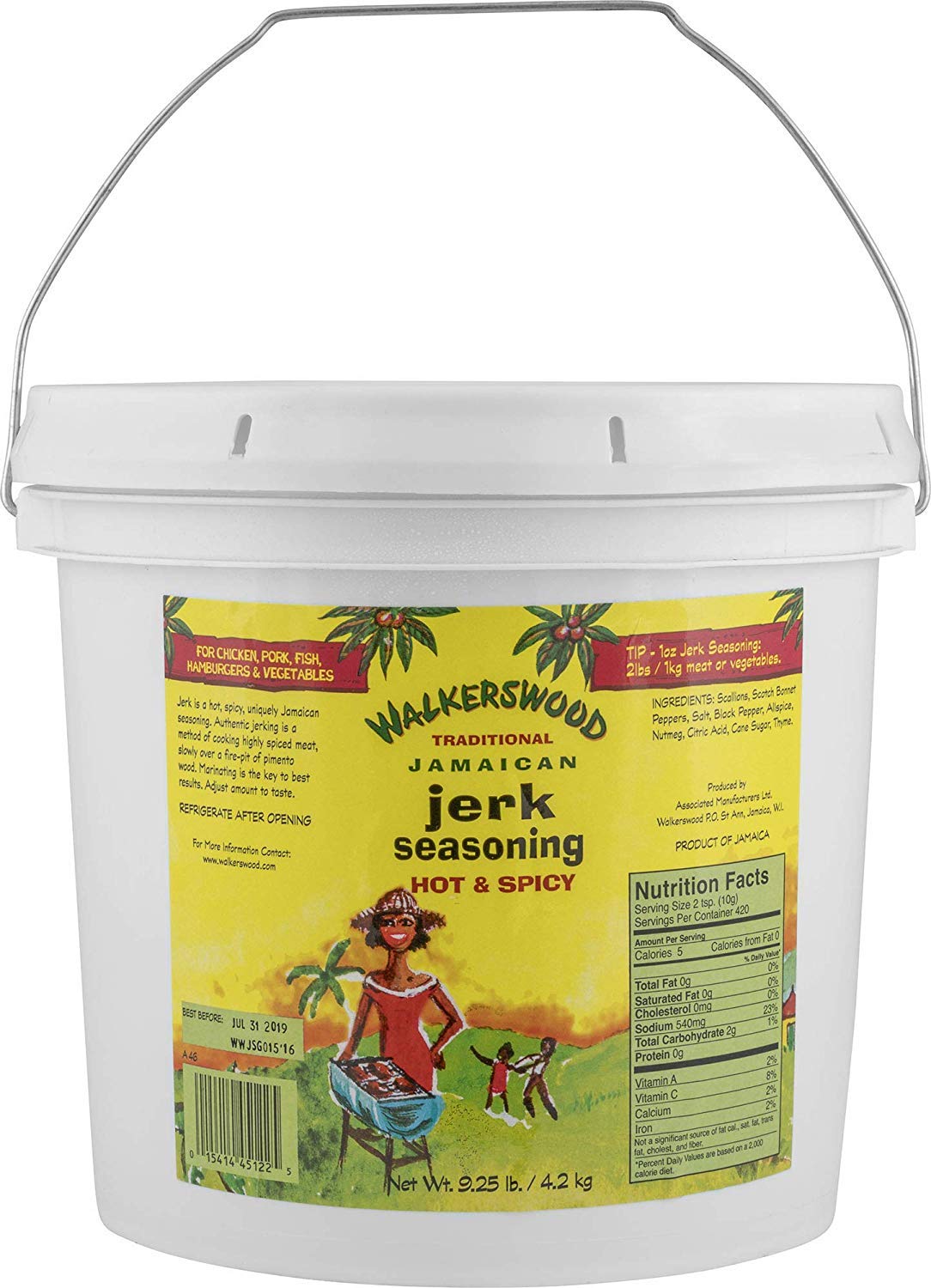
If you’re building a serious Caribbean pantry, this comparison surfaces eventually. Walkerswood Traditional Jamaican Jerk Seasoning — produced in Walkerswood, Saint Ann parish, Jamaica — is the benchmark for wet jerk paste among diaspora cooks and Caribbean restaurants. Serious Eats, in their guide to jerk chicken, and Saveur, in their reporting on diaspora jerk techniques, both reference Walkerswood when discussing authentic Jamaican flavor profiles, noting its coarser grind, more prominent allspice note, and higher raw scotch bonnet presence. Taste Atlas, in its Jamaica entry on jerk chicken, similarly identifies Walkerswood’s texture and spice balance as characteristic of the traditional Jamaican pit-jerk style.
Grace Paste is smoother, more emulsified, and more consistent in heat level across batches — a reliable everyday tool. Walkerswood carries more funk, more earthiness, and a coarser texture that many diaspora cooks consider the authentic benchmark. For weeknight family cooking, Grace Paste is the more forgiving format. For a cook replicating the flavor profile of a Kingston jerk stand, Walkerswood’s provenance and spice balance are harder to substitute.
The practical decision: keep both in the pantry. Grace Paste for weeknight cooking and fusion applications; Walkerswood for dishes where Jamaican authenticity is the primary brief.
A useful differentiator from an adjacent product: Cool Runnings wet jerk carries a cinnamon-forward note that distinguishes it from both Grace and Walkerswood. If your palate keys on that warm baking-spice quality, Cool Runnings is worth trying — but that cinnamon note reads as atypical to cooks who expect allspice to lead.
Frequently Asked Questions
Can I use Grace Dry Jerk as a finishing seasoning rather than a marinade? Yes — and home cooks do this constantly. It works on popcorn, buttered corn, tomatoes, and watermelon as a finishing shake. The flavor is balanced enough at low doses that it functions like a seasoning salt with jerk character. You don’t need to marinate to get value from the dry format.
What is the difference between the Honey, Mild, and Hot Grace paste variants? Honey is the mildest — the sweetness actively tempers scotch bonnet heat and adds a jammy finish. Mild delivers savory jerk aromatics without the honey buffer, still accessible to most palates. Hot is a genuine step up and will read as spicy to heat-cautious cooks. For a mixed household, Honey or Mild is the safer default.
Is dry jerk or wet paste better for oven cooking vs. grilling? Dry for grilling and high-heat open oven, where you want bark and crust. Paste for braising, slow cooking, or glazed oven applications where surface lacquer and interior flavor penetration matter more than crust.
How does Grace jerk paste compare to Walkerswood in flavor profile? Grace is smoother, milder, and more consistent — a reliable everyday tool. Walkerswood carries more funk, more allspice presence, and a coarser texture that many diaspora cooks consider the authentic benchmark. Grace is the utility player; Walkerswood is the specialist.
Can jerk dry rub be used on vegetables and seafood? Absolutely. The dry format is better suited to delicate proteins and vegetables precisely because it doesn’t introduce moisture. Paste would make most vegetables soggy before they cook through.
The Decision Rule
If your priority is grilling, finishing, or multi-purpose daily seasoning — including vegetables, seafood, popcorn, and fusion applications — reach for Grace Dry Jerk Seasoning. It builds bark, crosses cuisine boundaries, and functions as a shaker seasoning without any preparation step.
If your priority is deep marinade penetration, oven braising, slow cooking, or heat-level customization across a household — reach for the Grace Paste variety pack. The Honey variant for heat-wary households, Mild for everyday flavor-forward cooking, and Hot when the dish calls for an honest scotch bonnet presence.
If you’re cooking for a serious Caribbean-food audience and Jamaican authenticity is the primary brief, add Walkerswood Traditional to the shelf alongside whichever Grace format fits your method. They solve different problems, and a complete Caribbean pantry has room for both conversations.