You know that feeling when you’re standing in front of a specialty food shelf — or scrolling through a long product page — staring at six nearly identical amber bottles, all claiming to be “Caribbean-inspired,” all promising habanero heat, and none of them giving you any useful information about which one actually belongs in your kitchen? The habanero (a bright, fruity chile that registers roughly 100,000–350,000 Scoville heat units — a common scale for measuring pepper spiciness, where a jalapeño sits around 5,000 and pure capsaicin tops out near 16,000,000) has become the workhorse pepper of the craft hot sauce world. It’s hot enough to earn respect, fruity enough to play well with acidic and sweet notes, and Caribbean enough in its DNA that small-batch producers lean on it heavily. But “habanero sauce” is not a promise. It’s a starting point.
This article breaks down four craft producers — Queen Majesty Scotch Bonnet & Ginger, Ghost Island Hot Sauce, Heartbeat Pineapple Habanero, Heartbeat Red Habanero, and Smilin Island Sweet Samba — using aggregated buyer feedback, published flavor-profile analysis from Serious Eats and Saveur, and the kind of comparative framing that helps you decide before you open the bottle. If you’ve already got Matouk’s Calypso or Marie Sharp’s Habanero on your shelf and you’re wondering whether any of these craft entrants deserve space next to them, this is your answer.
| EDITOR'S PICKHeartbeat Hot Sauce Co. | Pinea… | Mid-tierQueen Majesty Scotch Bonnet & G… | Budget pickSmilin Island Sweet Samba Tropi… | |
|---|---|---|---|
| Size | 6 oz | 5 oz | 5 fl oz |
| Pepper base | Habanero | Scotch bonnet, habanero | Habanero |
| Fruit | Pineapple | — | Pineapple, mango |
| Ginger | — | ✓ | — |
| Heat level | — | — | Light |
| Dietary claims | — | Vegan, kosher, gluten free | — |
| Price | $14.99 | $14.99 | $11.99 |
| See on Amazon → | See on Amazon → | See on Amazon → |
What “Craft” Actually Means in This Category (and Why It Matters for Your Pantry)
The word “craft” in hot sauce means roughly what it means in other food categories: smaller batch production, often with more interesting ingredient sourcing, more distinctive flavor architecture, and — critically — less consistency in retail availability. Saveur’s “A Field Guide to Hot Sauce” notes that the most meaningful distinction between mass-market and craft sauces is often the ratio of pepper to filler: commodity sauces stretch heat with vinegar and thickeners, while the better craft bottles lead with the pepper itself, using supporting ingredients to build a flavor rather than dilute it.
For the Caribbean pantry specifically, this matters because the benchmark is demanding. A shopper who grew up with a Trinidadian-made scotch bonnet sauce — or who has cooked with Walkerswood or Bertie’s — has a calibrated reference point. Craft habanero sauces don’t just need to be hot; they need to justify the price premium over heritage brands by offering a flavor dimension those brands don’t provide. The Spruce Eats’ roundup “The Best Habanero Hot Sauces You Can Buy” consistently identifies body (thickness, mouthfeel, sustained flavor) and balance (heat that arrives after flavor, not before) as the two variables that separate the keepers from the novelty bottles.
Here’s the quick heat-level map before we go deeper:
| Sauce | Primary Pepper | Est. Scoville Range | Family-Dinner-Safe? |
|---|---|---|---|
| Smilin Island Sweet Samba | Habanero blend | 15,000–40,000 | Yes |
| Heartbeat Pineapple Habanero | Habanero | 35,000–80,000 | Cautiously yes |
| Heartbeat Red Habanero | Habanero | 60,000–150,000 | Moderate-heat households |
| Queen Majesty Scotch Bonnet & Ginger | Scotch bonnet | 80,000–200,000 | Know your table |
| Ghost Island Hot Sauce | Habanero/ghost blend | 100,000–300,000+ | Heat-tolerant crowd only |
Ranges are estimates based on pepper variety and published ingredient ordering; individual batches vary. Scoville context drawn from Taste Atlas Caribbean condiments regional entry and Epicurious “How to Choose a Hot Sauce.”
The Four Craft Producers, Ranked by Use Case
Queen Majesty Scotch Bonnet & Ginger: The Fridge-Staple Argument
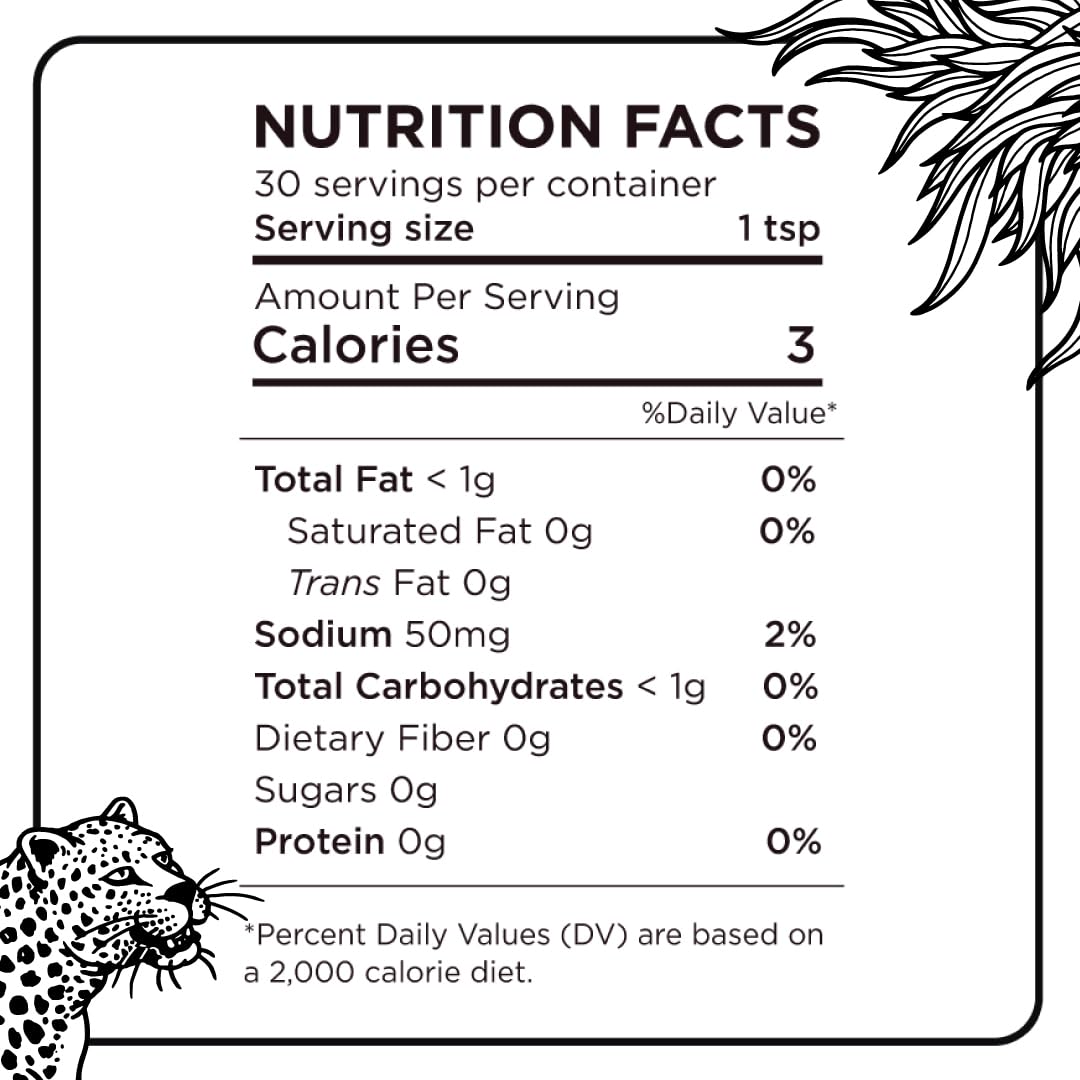
Queen Majesty occupies an interesting position in this comparison: it’s technically a scotch bonnet sauce. Scotch bonnets — the Caribbean’s signature chile — share a Scoville range of roughly 100,000–350,000 with habaneros, but carry a distinctly fruity, almost floral quality that standard habaneros don’t fully replicate. That provenance matters: Queen Majesty is the closest thing in this lineup to what a Jamaican or Trinidadian cook would recognize as a real Caribbean hot sauce.
Buyers across aggregated review pools consistently describe Queen Majesty as a sauce that “enhances rather than overpowers” — a phrase that comes up with notable frequency and carries real information. The ginger addition is doing architectural work: it lengthens the flavor, creates a warm middle note, and slows the heat’s arrival so the fruitiness of the scotch bonnet registers first. Owners report it earning permanent fridge-staple status, which in the hot sauce world is the highest possible endorsement — it means they reached for it habitually rather than treating it as an occasion bottle.
The Serious Eats editorial roundup “The Best Hot Sauces” identifies exactly this quality — sauces that integrate into a cooking routine rather than sitting on a shelf waiting for a dare — as the defining characteristic of genuinely useful craft bottles.
Queen
$14.99
In stock on Amazon
Check price on AmazonGhost Island and Heartbeat: Two Approaches to Habanero Complexity
Ghost Island is the outlier in this group, and buyers who know the niche seem to shop it intentionally. The most consistent flavor notes in aggregated reviews are curry and mustard — which places Ghost Island in the Trinidadian-inflected tradition of mustardy pepper sauces rather than the vinegar-forward Jamaican or Belizean styles. Buyers specifically benchmark it against Dirty Dick’s Caribbean sauce, which is useful: Dirty Dick’s has a known flavor profile centered on tropical fruit and mild curry warmth. If you know Dirty Dick’s and want something more complex and heat-forward, Ghost Island is the logical progression.
The curry-mustard combination is not universally loved. If you want a clean habanero heat without competing savory notes, this is the wrong bottle. But for cooks building a collection rather than a single go-to, Ghost Island fills a genuine gap: a habanero sauce that performs as a marinade ingredient or a finishing sauce on rice dishes in ways that a pure-pepper sauce doesn’t.
Heartbeat
$14.99
In stock on Amazon
Check price on AmazonHeartbeat Pineapple Habanero vs. Heartbeat Red Habanero: Don’t Confuse Them
Heartbeat ships two meaningfully different products under the same brand, and conflating them is a common buyer error.
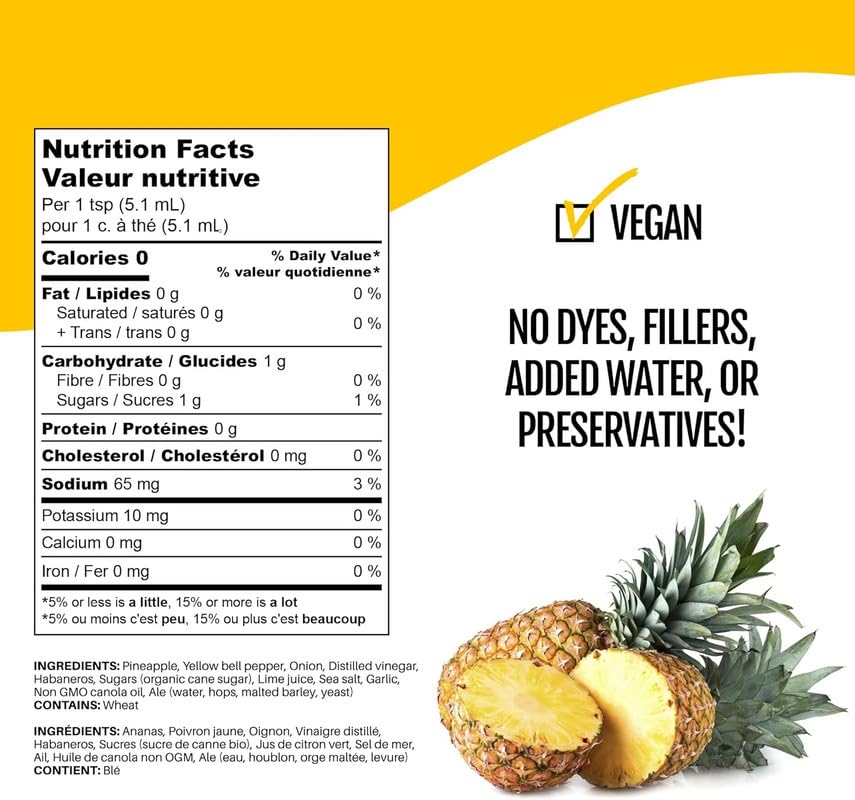
Heartbeat Pineapple Habanero is, according to its most vocal buyers, not a vinegar-forward sauce — multiple reviewers specifically call this out as the point of difference. Pineapple is the first listed ingredient, which under standard food labeling means it’s present in the largest quantity by weight. Buyers describe the flavor as genuinely fruit-led, with heat arriving late. The distress signals around availability — at least one buyer on record expressing real concern about stock gaps — suggest this is a sauce that moves, and that its fans notice when it disappears. For a cook who wants a habanero sauce that functions as a fruit-forward finishing condiment for grilled proteins or tacos, Heartbeat Pineapple Habanero is the most distinct option in this comparison.
Epicurious’ buyer guidance piece “How to Choose a Hot Sauce” makes the useful observation that sauces leading with fruit are a distinct category from sauces that add fruit as a modifier — and Heartbeat Pineapple earns its place firmly in the former group.
Heartbeat Red Habanero is a different animal: buyers consistently praise its smokiness and viscosity — real-world advantages for a sauce you want to cling to food rather than pool at the bottom of the plate. The recurring complaint, however, is specific and actionable: the cap sprays unexpectedly. This is not a minor usability gripe. A sauce used at a table with children, with light clothing nearby, or poured carefully over finished food has a real problem if the cap doesn’t seal predictably between pours. Buyers report the flavor is worth the annoyance, but this is a known tradeoff you should enter with eyes open.
Decision frame: For fruit-forward Caribbean cooking or as a bridge sauce for guests who want heat without pure fire, reach for Heartbeat Pineapple. For a smoky, thick habanero to deploy during cooking — where the cap issue is irrelevant — Heartbeat Red earns its place. Don’t treat them as interchangeable.
Queen
$14.99
In stock on Amazon
Check price on AmazonSmilin Island Sweet Samba: The Versatile Middle Lane
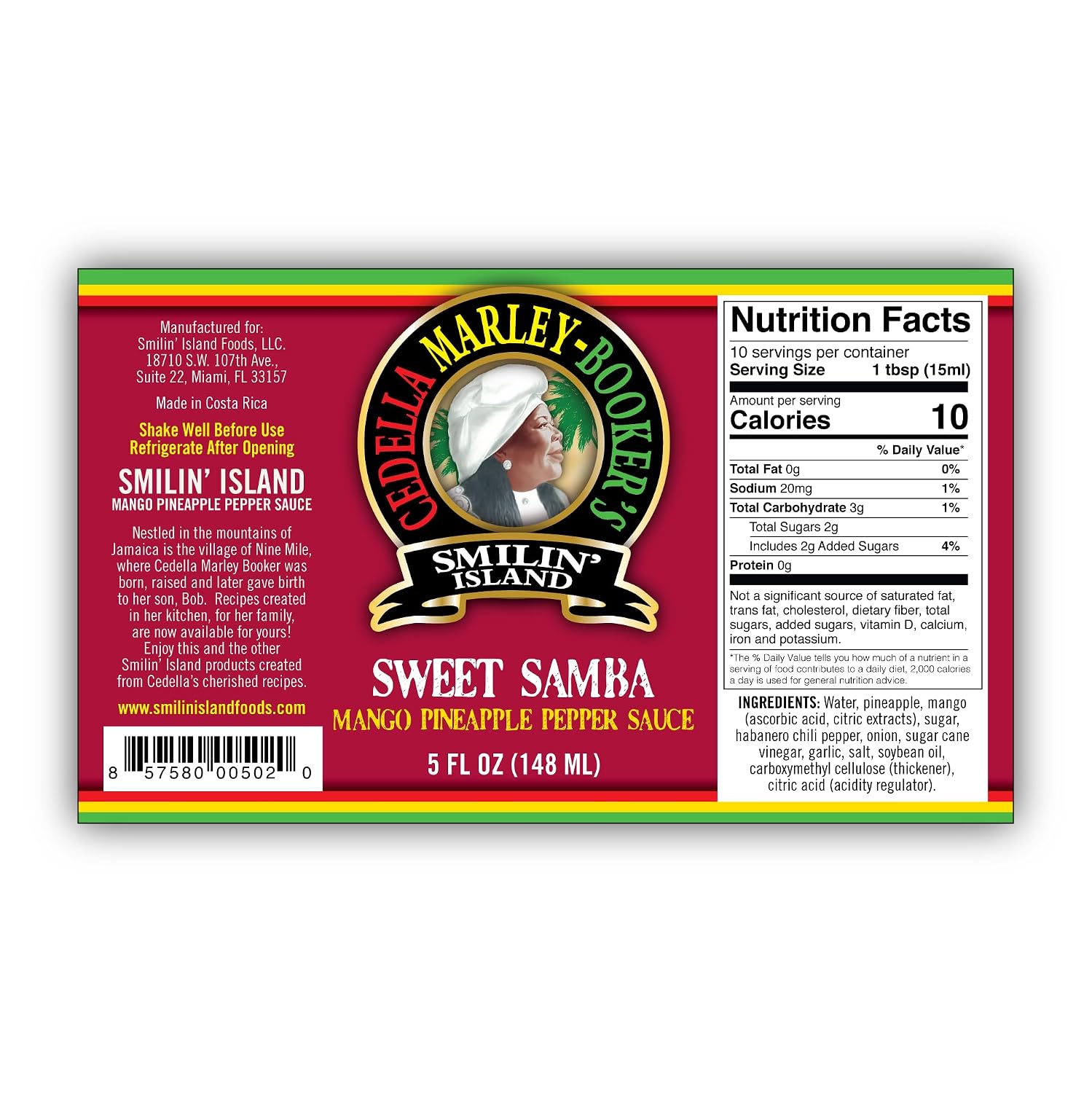
Smilin Island Sweet Samba earns a different kind of praise than the other sauces in this comparison: reviewers don’t focus on its heat, they focus on its range. It consistently appears alongside an unusually wide list of dishes — proteins, vegetables, grain bowls, dipping applications — in a way that suggests buyers use it as a flavor layer rather than a heat delivery system.
This is the correct read of the product. Epicurious’ “How to Choose a Hot Sauce” notes that the most genuinely useful everyday condiments are often not the hottest ones — they’re the ones with enough heat to register but enough flavor complexity to contribute something beyond fire. Saveur’s hot sauce field guide makes a complementary point: the most-reached-for bottles in a working kitchen tend to be those that enhance a dish’s existing flavor architecture rather than overriding it. Sweet Samba sits squarely in that lane. It skews sweet and fruity, the heat is present but mild enough for most tables, and the Caribbean flavor notes — tropical fruit, mild pepper warmth — make it a more interesting choice than any generic sweet chili sauce.
The honest caveat: heat enthusiasts will find it underwhelming as a standalone experience. This is a sauce for cooking into dishes, for guests with moderate tolerance, and for building a layered plate rather than broadcasting a spice level. Positioned correctly, that’s a genuine strength.
Smilin
$11.99
In stock on Amazon
Check price on AmazonHow These Stack Up Against Heritage Caribbean Sauces
The question buyers in this category consistently ask — either explicitly or implicitly — is whether any of these craft sauces earn a spot alongside proven heritage brands like Matouk’s Calypso, Marie Sharp’s Habanero, or Bertie’s. The honest framing from the Serious Eats “Best Hot Sauces” roundup and Taste Atlas’ Caribbean condiments regional entry is that heritage brands win on consistency and provenance, while craft sauces win on differentiation.
Matouk’s and Marie Sharp’s are island-produced, widely trusted, and built around specific pepper traditions refined over decades. A bottle of Marie Sharp’s Habanero is a known quantity — the heat profile, the carrot-forward body, the green onion and garlic notes are consistent batch to batch. Queen Majesty, Heartbeat, Ghost Island, and Smilin Island are doing something different: they’re building flavor profiles that reference Caribbean tradition but aren’t trying to reproduce it. Ghost Island’s curry-mustard architecture has no direct equivalent in the heritage category. Heartbeat Pineapple’s fruit-forward framing is a departure from the vinegar-and-pepper base that defines most of that shelf.
Taste Atlas’ Caribbean condiments entry is useful context here: it documents the regional specificity of scotch bonnet and habanero traditions across islands — Jamaican, Trinidadian, Belizean styles each have distinct acid-pepper-spice ratios that heritage brands encode and craft producers selectively borrow from or depart from. Understanding which tradition a craft sauce is working within — or against — is one of the sharpest tools for making a buying decision.
For the practitioner-level buyer: these are not competing categories. They’re complementary purchases. The question isn’t instead of Matouk’s — it’s alongside it, for the use cases where Matouk’s isn’t the answer.
Frequently Asked Questions
How hot is Queen Majesty Scotch Bonnet & Ginger compared to a standard habanero sauce? Meaningfully hotter in potential, though the ginger and flavor complexity slow the perceived heat. Scotch bonnets run hotter than most habaneros on paper (overlapping range, but scotch bonnets skew toward the upper end), and buyers confirm this is not a mild sauce. Budget for it the way you’d budget for Marie Sharp’s Green Habanero — present heat, not overwhelming heat, but not family-table casual either.
Is Heartbeat Pineapple Habanero actually sweet or just fruity? Both, but fruit-forward is the more accurate description. Multiple buyers are specific that pineapple is genuinely the dominant note, not a background sweetness behind vinegar. It’s sweet in the way fresh tropical fruit is sweet — with brightness and acid — not in the way a sweetened commercial sauce is sweet. The heat is real but secondary.
What dishes work best with Ghost Island’s curry-mustard profile? Rice and peas, curried proteins, roti fillings, egg dishes, and anything that benefits from a savory-spiced finishing note. It’s less suited to fresh fruit salsas or dishes where you want a clean pepper heat without competing flavors. Think of it as a sauce that adds a layer of seasoning, not just heat.
Does the Heartbeat Red cap problem make it hard to use at the table? For tabletop applications — passing the bottle at dinner, using it as a dipping sauce — the spray-cap complaint from buyers is a legitimate concern. For cooking applications, adding to a marinade or mixing into a sauce in the kitchen, it’s irrelevant. Buyers who love the flavor accept this tradeoff; just know it going in.
Is Smilin Island Sweet Samba hot enough to count as a hot sauce or is it more of a fruit condiment? It occupies a transitional zone. The heat is genuine but mild. It functions better as a flavor condiment with heat than as a heat condiment with flavor. If your benchmark is Matouk’s or Marie Sharp’s, Sweet Samba will read as mild. If your benchmark is a mango chutney, it’ll read as spicy. Position it accordingly.
How do these craft sauces compare in heat level to Bertie’s or Matouk’s? Matouk’s Calypso and Bertie’s sit in a well-calibrated medium-to-hot range built around scotch bonnet and habanero peppers. Queen Majesty is the closest comparison in this group — similar pepper base, similar heat window. Ghost Island can exceed both depending on batch. Heartbeat Red is in the same neighborhood as Matouk’s. Heartbeat Pineapple and Sweet Samba run noticeably milder. None of these craft sauces are outlier-hot unless you’re comparing to a pure scotch bonnet mash, but Ghost Island is the one to approach with caution at a mixed-tolerance table.