You know that feeling when you lift the lid off a pot of rice and peas and the kitchen fills with that deep, golden-orange fragrance — something savory and earthy and just a little sweet — and you think, what is actually in this? If you’ve been cooking Caribbean food for a year or two and you still reach for the same one or two seasoning packets out of habit, this guide is your cheat sheet. We’re going to break down the three workhorse seasoning categories that underpin Caribbean rice dishes and stews: sazón (a dry spice blend, most commonly associated with Puerto Rican and Dominican cooking, built around annatto for color and cumin and garlic for depth), green seasoning (a wet herb blend central to Trinidad, Guyana, and Barbadian kitchens, built on fresh herbs like shado beni and escallion), and annatto/achiote (the orange-red seed or paste that gives so many Caribbean dishes their signature mahogany glow). By the end, you’ll know which format — dry packet, paste, or fresh herb blend — actually belongs in your pantry, and when splurging on a small-batch bottle is worth the price jump.
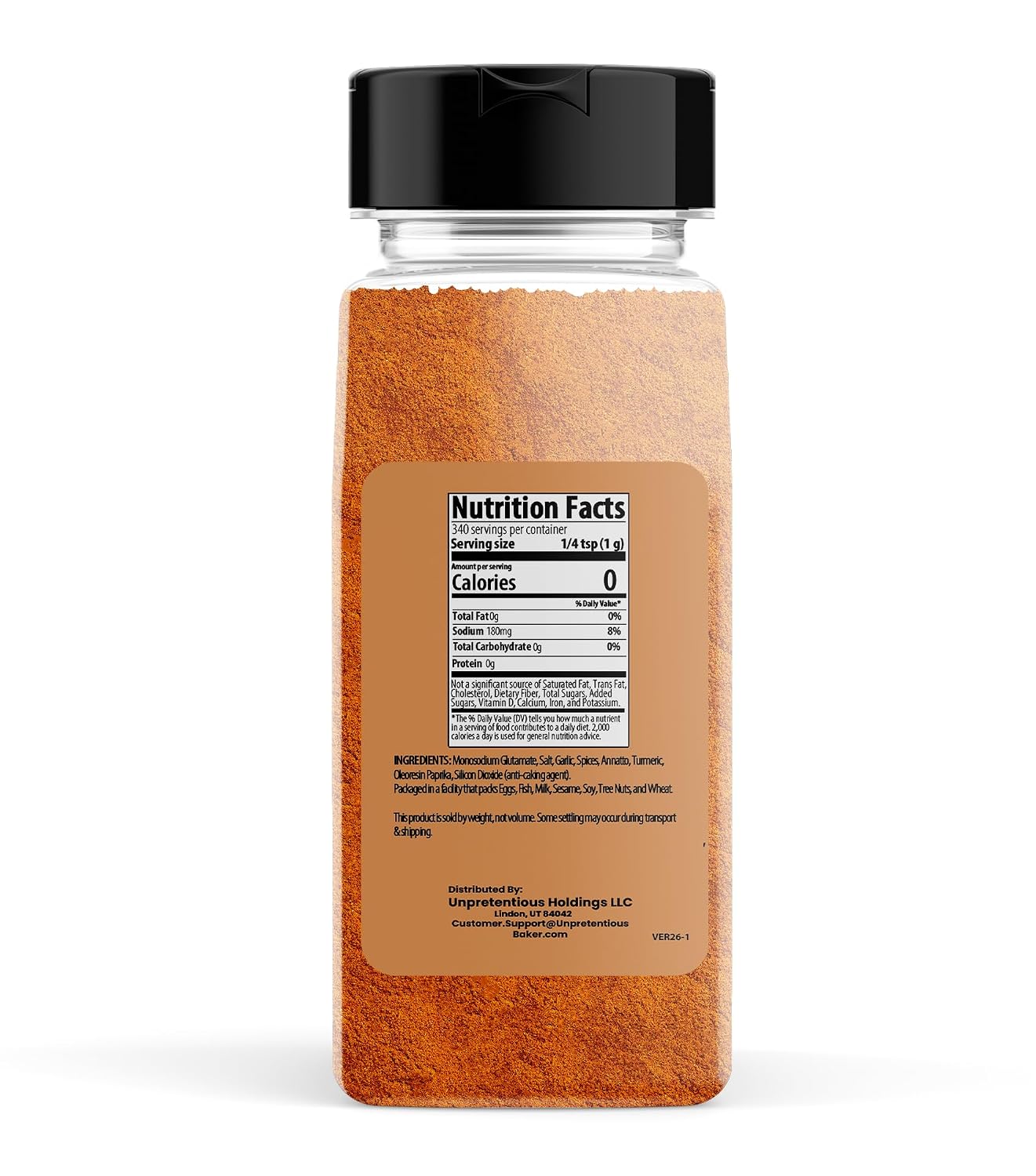
| EDITOR'S PICKDash Salt-Free Seasoning Blend | Mid-tierUnpretentious Caribbean Sazón | Budget pickBadia Sazon Tropical With Coria… | |
|---|---|---|---|
| Net weight | 2.4 oz | 12 oz | 6.75 oz |
| Salt included | ✗ | — | — |
| Annatto | — | — | ✓ |
| Flavor style | Citrus | Sazón | Tropical |
| Coriander | — | — | ✓ |
| Price | $9.74 | $8.49 | $4.87 |
| See on Amazon → | See on Amazon → | See on Amazon → |
What Sazón Actually Is (and Why the Packet Version Is Only Part of the Story)
Sazón as a category is not one brand or one recipe — it’s a seasoning philosophy. The word simply means “seasoning” in Spanish, and the underlying formula varies by household, island, and generation. The commercial shorthand most North American cooks know is Goya Sazón Con Culantro y Achiote, the foil envelope that costs roughly $1.50–$2.50 for a box of eight packets. That version delivers a reliable baseline: annatto (also called achiote — more on that shortly), dried coriander, garlic powder, and salt. Serious Eats’ deep dive on sofrito science notes that the achiote-to-salt ratio in commercial packets is calibrated for convenience, not complexity — meaning the salt load is doing significant flavor work, which limits how much you can use before a dish tips into over-seasoned territory.
Here’s where the practitioner tradeoff lives. Single-brand commercial sazón (Goya, La Preferida, Badia) runs $0.15–$0.25 per packet-serving, is shelf-stable for 18–24 months, and delivers consistent results in weeknight rice. Small-batch or artisan sazón blends from Caribbean-owned producers — including the dry seasoning lines coming out of Walkerswood’s broader range and independent Trinidadian and Dominican producers now selling through specialty stores — run $6–$14 for a 2–4 oz jar, but the annatto is often whole-ground fresh, the sodium is lower, and the cumin and oregano are present at levels that actually register on the palate.
If X, then Y: Sazón format decision
- If you’re cooking rice and beans twice a week and cost control matters → the Goya packet is a legitimate tool, not a compromise.
- If you’re building a dish where the seasoning is structural (a stew base, a marinade, a pigeon peas and rice for guests) → buy the small-batch jar and control the salt separately. The flavor ceiling is meaningfully higher.
Annatto: The Color and Flavor Engine Behind Both Formats
Annatto (the English name) and achiote (the Spanish name) refer to the same thing: seeds from the Bixa orellana shrub, which is indigenous to the Americas and now cultivated widely across the Caribbean. The seeds are either infused into oil, ground into a dry powder, or mixed into a wet paste. Per The Spruce Eats’ overview of annatto, the seeds deliver a mild, faintly peppery, slightly sweet flavor that is almost impossible to replicate with any substitute — it’s genuinely unique to the seed’s natural pigment compounds (bixin and norbixin), not just a coloring agent. Smithsonian Magazine’s coverage of how African and Indigenous foodways shaped Caribbean cuisine notes that annatto’s role in Caribbean cooking is both pre-Columbian and deeply syncretic — it moved through Taíno, West African, and Spanish colonial kitchens simultaneously.
For the home cook building a serious pantry, the three annatto formats have distinct use cases:
| Format | Best Use | Approximate Price Point | Shelf Life |
|---|---|---|---|
| Whole seeds | Infused into oil for rice base | $3–$6 / 4 oz bag | 12–18 months |
| Ground powder | Dry rubs, sazón blends | $4–$8 / 2 oz jar | 6–12 months |
| Paste (achiote paste) | Marinades, mole-adjacent stews | $4–$7 / 3.5 oz block | 12 months sealed |
The paste format — brick-style achiote sold by brands like El Yucateco and small Caribbean producers — is underused in home kitchens and worth adding to your shortlist. Dissolve a thumbnail of paste into sofrito oil before your onion and garlic hit the pan, and you get a depth of color and flavor that ground powder alone doesn’t match. Across aggregated home cook reviews of the El Yucateco achiote paste, the consistent feedback is that a little goes surprisingly far — a full 3.5 oz block lasts most households two to three months of regular rice cooking.
Green Seasoning: The Wet Herb Blend That Every Trinidadian Cook Has an Opinion About
If sazón is the Spanish-Caribbean seasoning tradition, green seasoning is its Anglophone counterpart, and it operates differently in almost every way. Where sazón is dry and precise, green seasoning is wet, herbaceous, and deeply personal. The base almost always includes escallion (what most of the diaspora calls green onions or spring onions, though escallion — spelled and pronounced that way in Jamaica, Trinidad, and Barbados — is technically a different cultivar with a more pronounced allium bite), shado beni (also called culantro or broad-leaf cilantro — a serrated, intensely aromatic herb native to the Caribbean and Central America that smells like cilantro but hits at roughly three times the intensity), and fresh thyme.
Taste Atlas’ entry on green seasoning describes it as the Caribbean equivalent of a French herb bouquet — a flavor foundation rather than a topping. Saveur’s Caribbean pantry guide identifies it as one of the region’s most underrepresented exports to mainstream North American grocery shelves. And that supply gap is real: fresh shado beni is genuinely hard to find outside of Caribbean, Latin American, and some South Asian grocery stores. When it’s unavailable, most experienced cooks substitute a 3:1 ratio of cilantro to fresh parsley and accept that the result is good but not identical.
The commercial green seasoning market has grown meaningfully in the past five years. The key brands for diaspora households:
-
Chief Green Seasoning (Trinidad-made, widely available in Caribbean grocery stores and specialty online retailers): approximately $4–$6 for a 14 oz bottle. Owners consistently report that Chief is the benchmark for Trinidadian-style green seasoning — it’s herb-forward, relatively low-sodium, and works both as a marinade and a cooking base. The ingredient list is clean: escallion, shado beni, thyme, garlic, peppers, and vinegar as a preservative.
-
Grace Green Seasoning (Jamaica-made): approximately $3–$5 for a 12 oz bottle. Grace’s version skews slightly sweeter and less intensely herbal than Chief, which makes it more approachable for newcomers or for dishes where you want green seasoning’s character without it dominating.
-
Walkerswood Jerk/Seasoning lines: While Walkerswood is best known for its scotch bonnet-forward jerk seasoning, their broader seasoning range includes all-purpose options that carry the same island-made provenance marker that serious buyers in this space pay attention to.
If X, then Y: Green seasoning format decision
- If you’re cooking Trinidadian or Guyanese dishes (stewed chicken, curry base, dhal) → Chief is the brand-match. Use it generously; it’s built to be a cooking ingredient, not a condiment.
- If you’re new to green seasoning or cooking for a heat-sensitive crowd → Grace’s version softens the entry point without abandoning the flavor profile.
- If you’re within reach of a Caribbean grocer with fresh shado beni → blend your own. The flavor gap between fresh and commercial is significant enough that experienced cooks who have access to fresh herbs almost universally prefer it.
Building the Decision Framework: Which Format for Which Dish?
By now, if you’re stocking a working Caribbean pantry, the practical question is sequencing: which of these do you buy first, and what does the tier-by-tier investment actually look like?
The math on a functional Caribbean seasoning shelf (2026 pricing):
- Entry tier (covers 80% of rice and stew use cases): Goya Sazón packets + Grace Green Seasoning + whole annatto seeds = approximately $12–$16 total
- Mid-tier (unlocks deeper flavor, better sodium control): small-batch sazón jar + Chief Green Seasoning + achiote paste block = approximately $20–$30 total
- Practitioner shelf (full format flexibility): all of the above plus a Walkerswood all-purpose seasoning, a jar of dried shado beni for off-season, and a quality escallion-garlic sofrito base = $45–$65 total
The entry shelf is not a compromise — it’s genuinely sufficient for weeknight rice and basic stews. The mid-tier is where home cooks consistently report a noticeable jump in output quality, largely because the lower-sodium small-batch formats give you more control over the final dish rather than fighting the packet’s pre-set salt ceiling.
One flag for the seasoning-collector segment: the small-batch Caribbean seasoning market is experiencing real supply volatility in 2026, particularly for artisan blends from smaller Trinidad and Barbados producers whose distribution in North America runs through specialty importers with limited stock. If you find a small-batch green seasoning or annatto blend from a Caribbean-owned producer and you like it, the experienced pantry move is to buy two or three jars. Stock dips on these items are real, and they don’t always resolve quickly.
The Final Decision Rule
If you take one thing from this guide: sazón, green seasoning, and annatto are not competing products — they’re a stack. Sazón handles the dry depth and color in rice. Annatto (oil-infused or paste) handles the aromatic fat base that carries everything else. Green seasoning handles the fresh-herb brightness that lifts stews and marinades out of flatness. The cooks whose rice and peas and stewed meats consistently hit that restaurant-level depth aren’t using one magic product — they’re layering all three, in sequence, with intention. Once you internalize that stack, the brand and format decisions become much simpler: you’re just choosing the best version of each role, not searching for a single product to do everything.